Co-Creation and Innovation: The EU-CODE “European Musical Diversity” Residency in Budapest
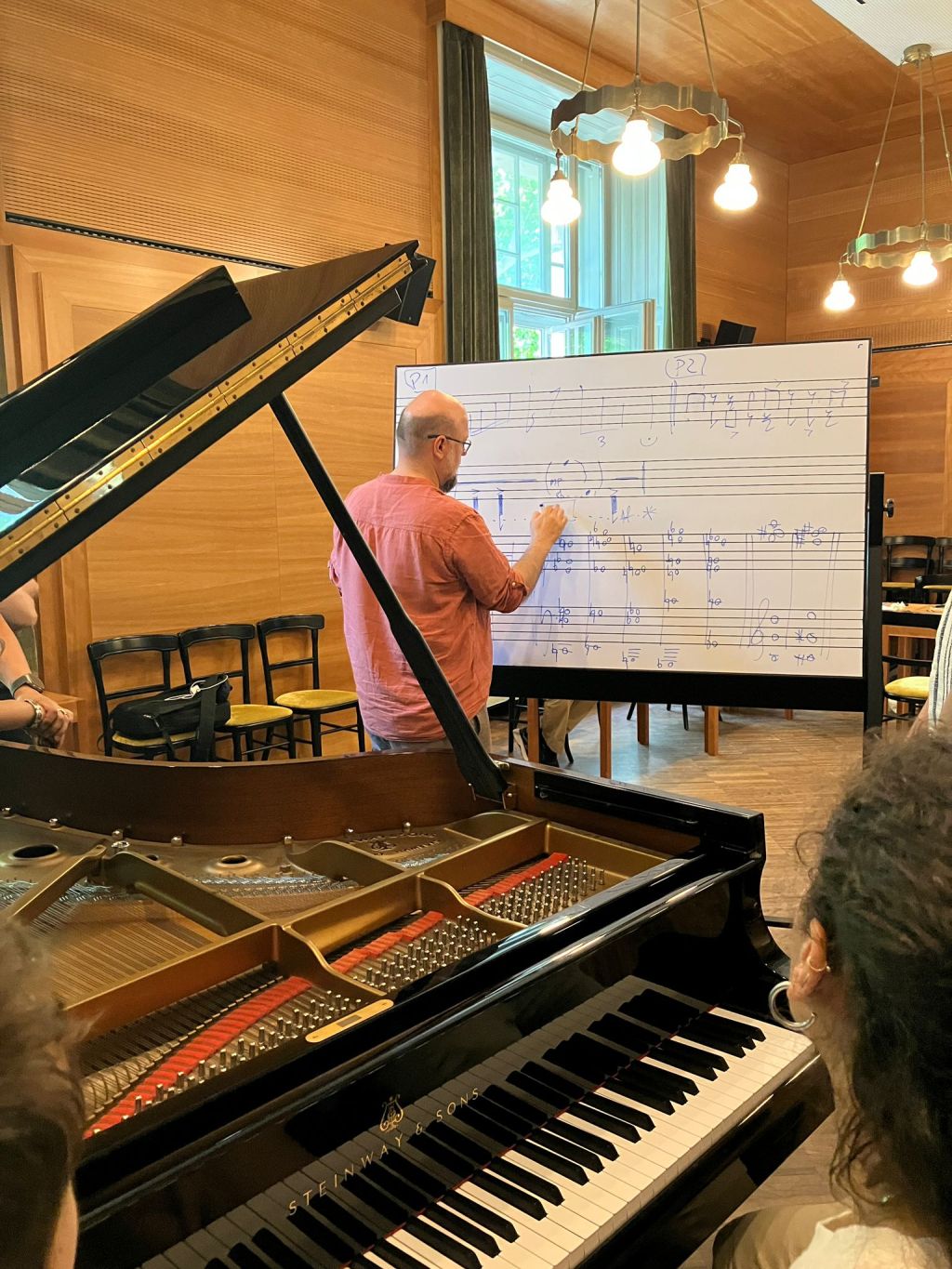
The “European Musical Diversity” residency, an initiative within the transnational EU-CODE project, has officially concluded its session in Budapest. Hosted at the historic Liszt Ferenc Academy of Music, this residency serves as a vital platform for artistic collaboration, bringing together selected composers from Italy, Spain, and Hungary. Coordinated by the Conservatorio di Musica Santa Cecilia in Rome and co-funded by the European Union’s Creative Europe program, the initiative focuses on pushing the boundaries of contemporary classical music while safeguarding European cultural diversity.
Shaping the Future of Wind Orchestra Repertoire
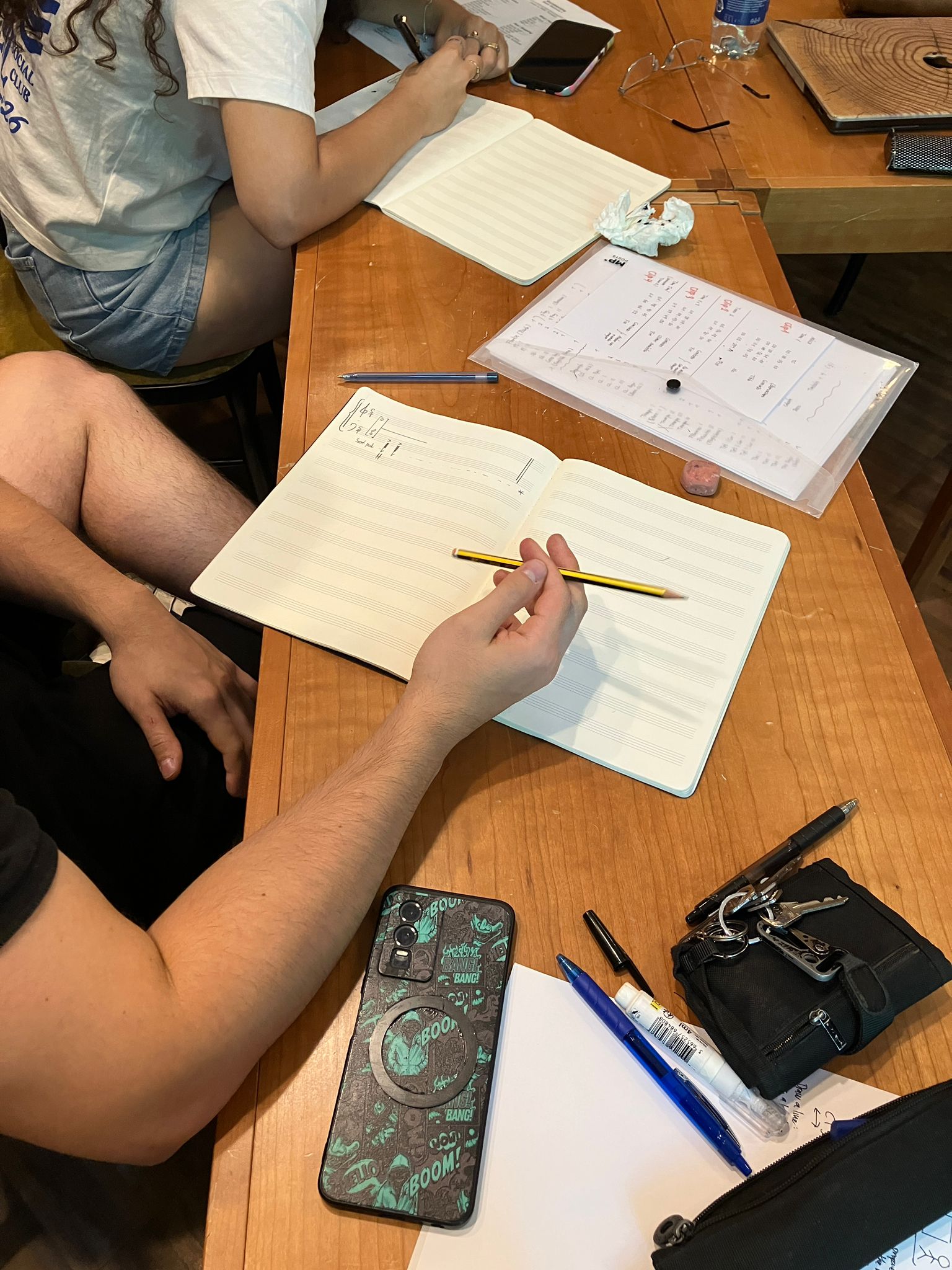
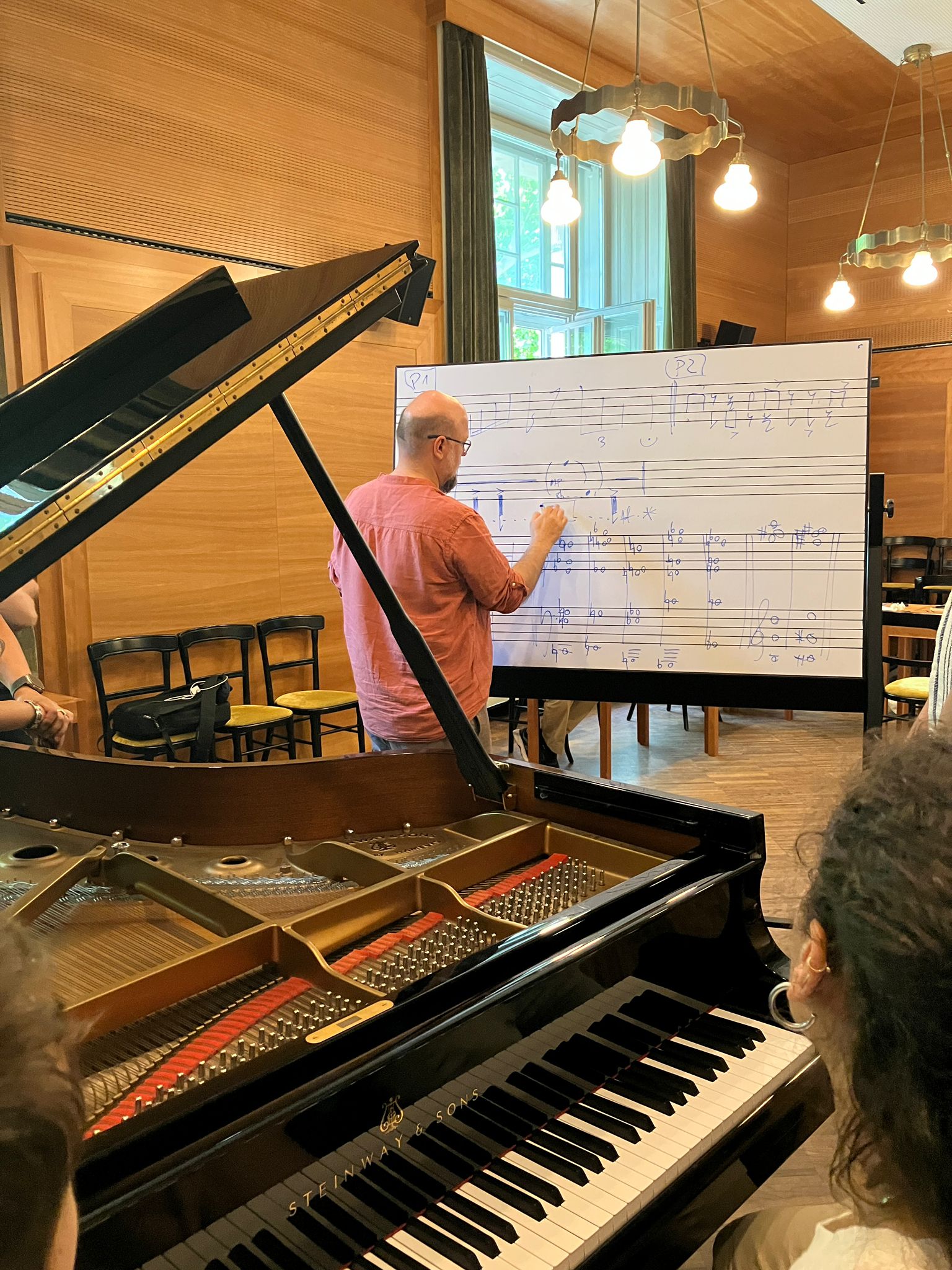
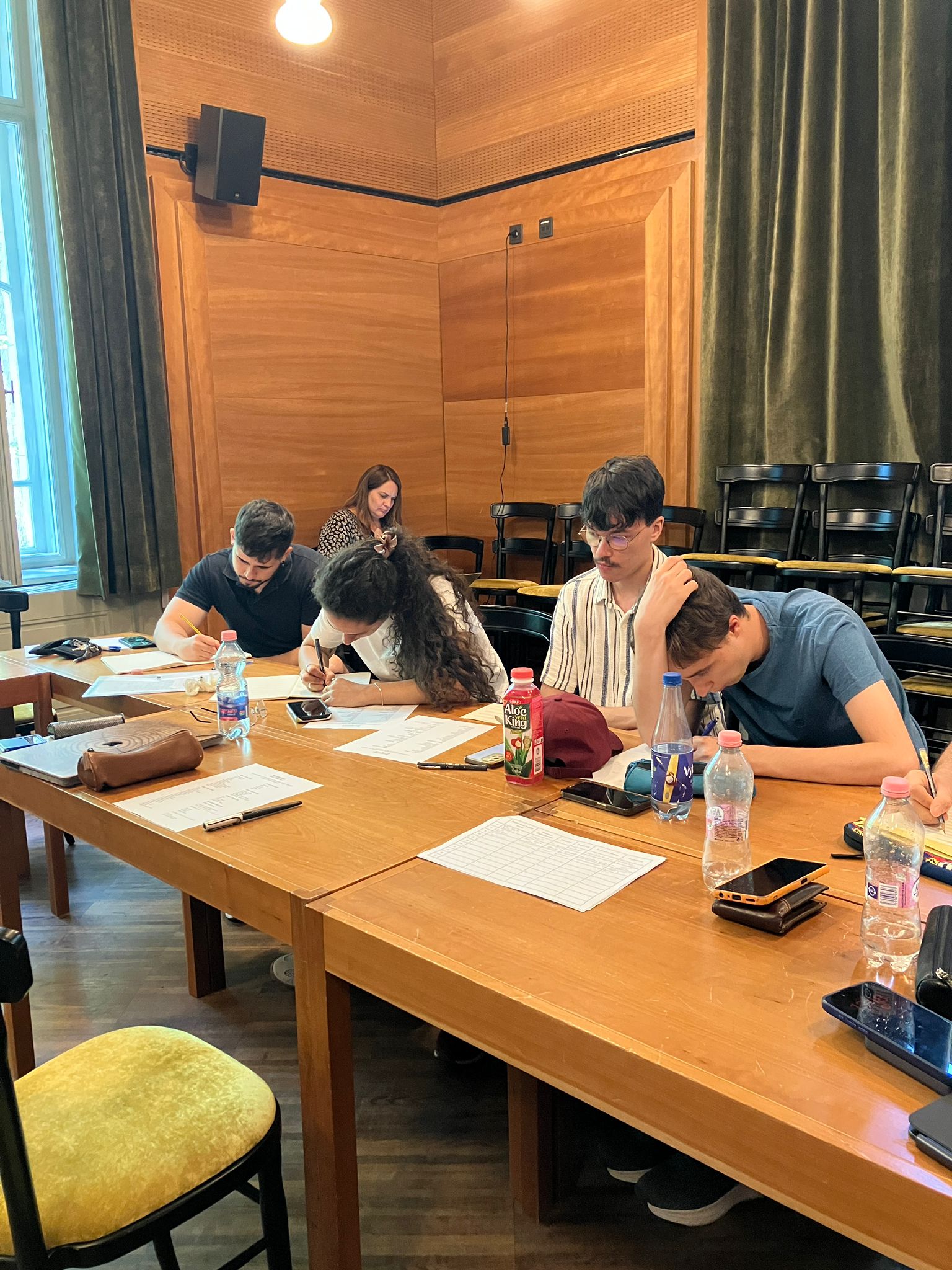
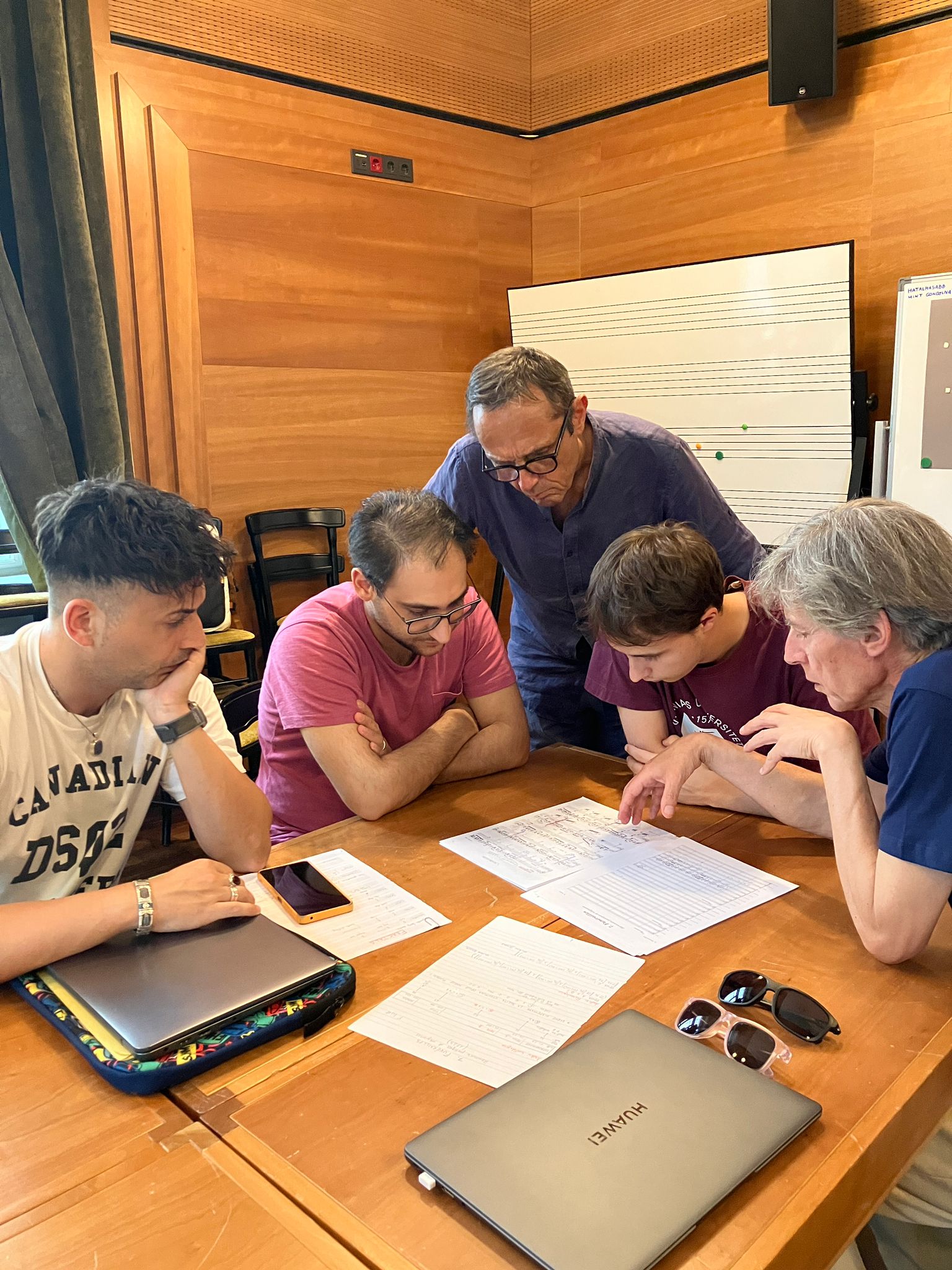
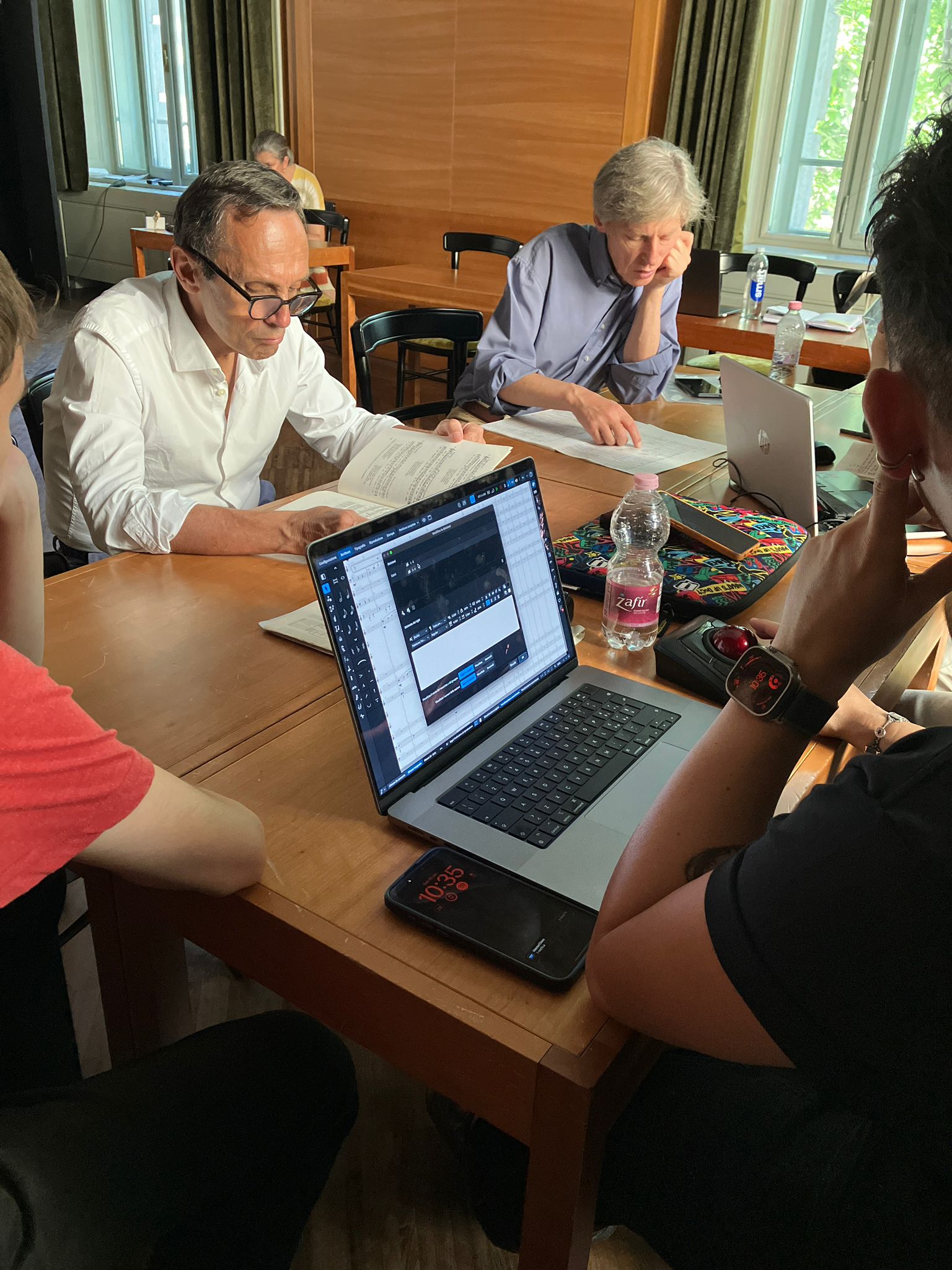
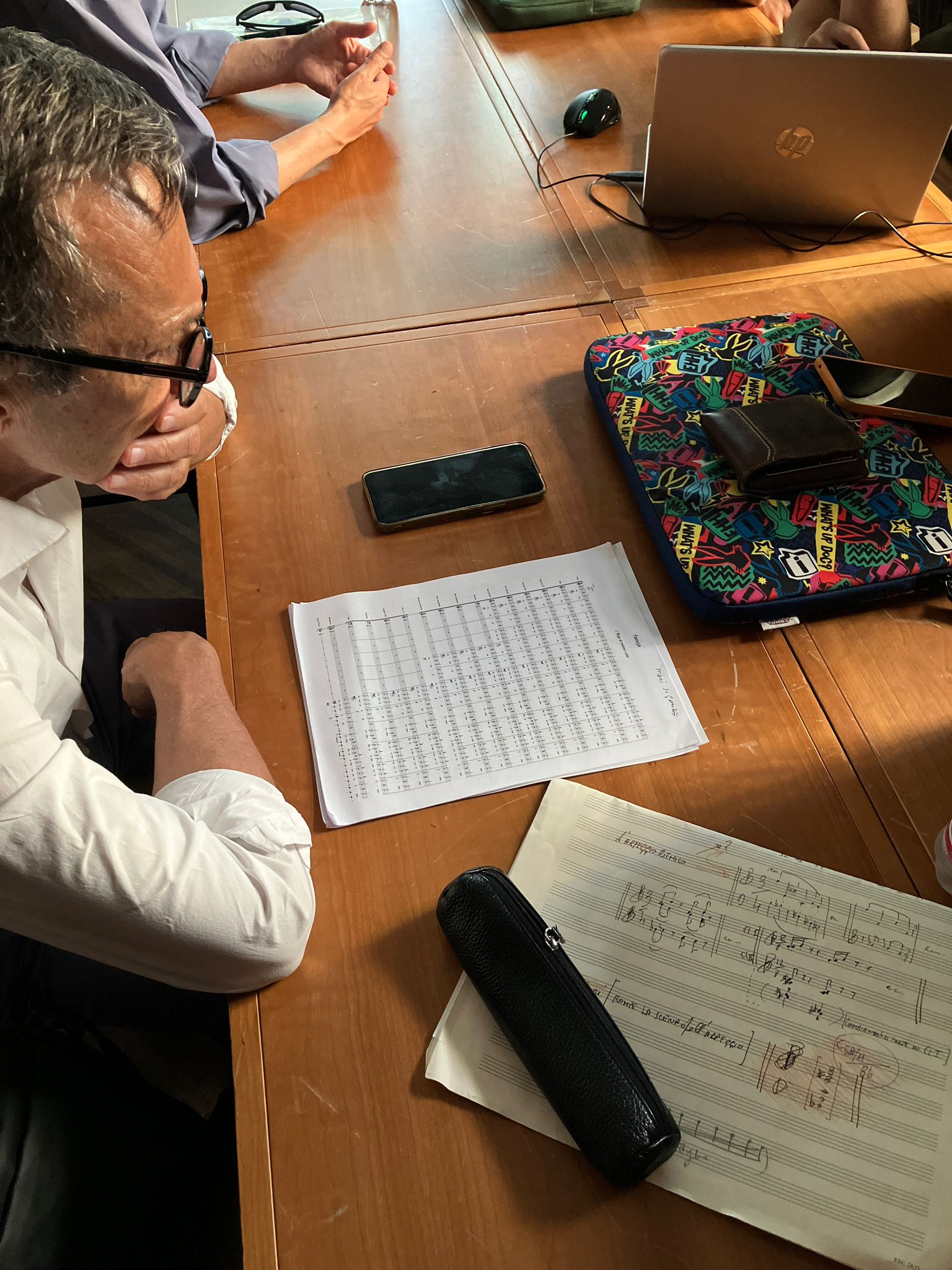
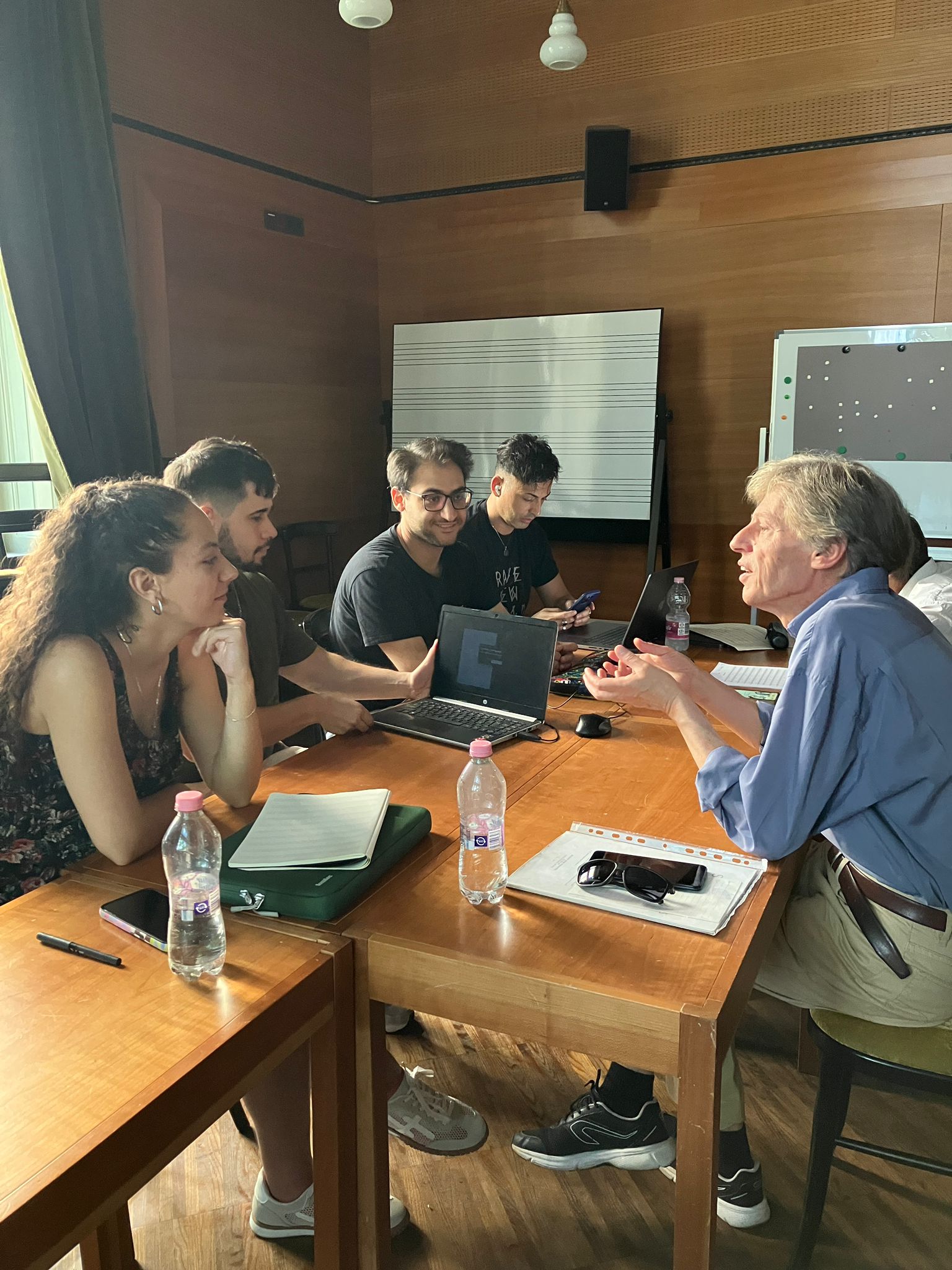
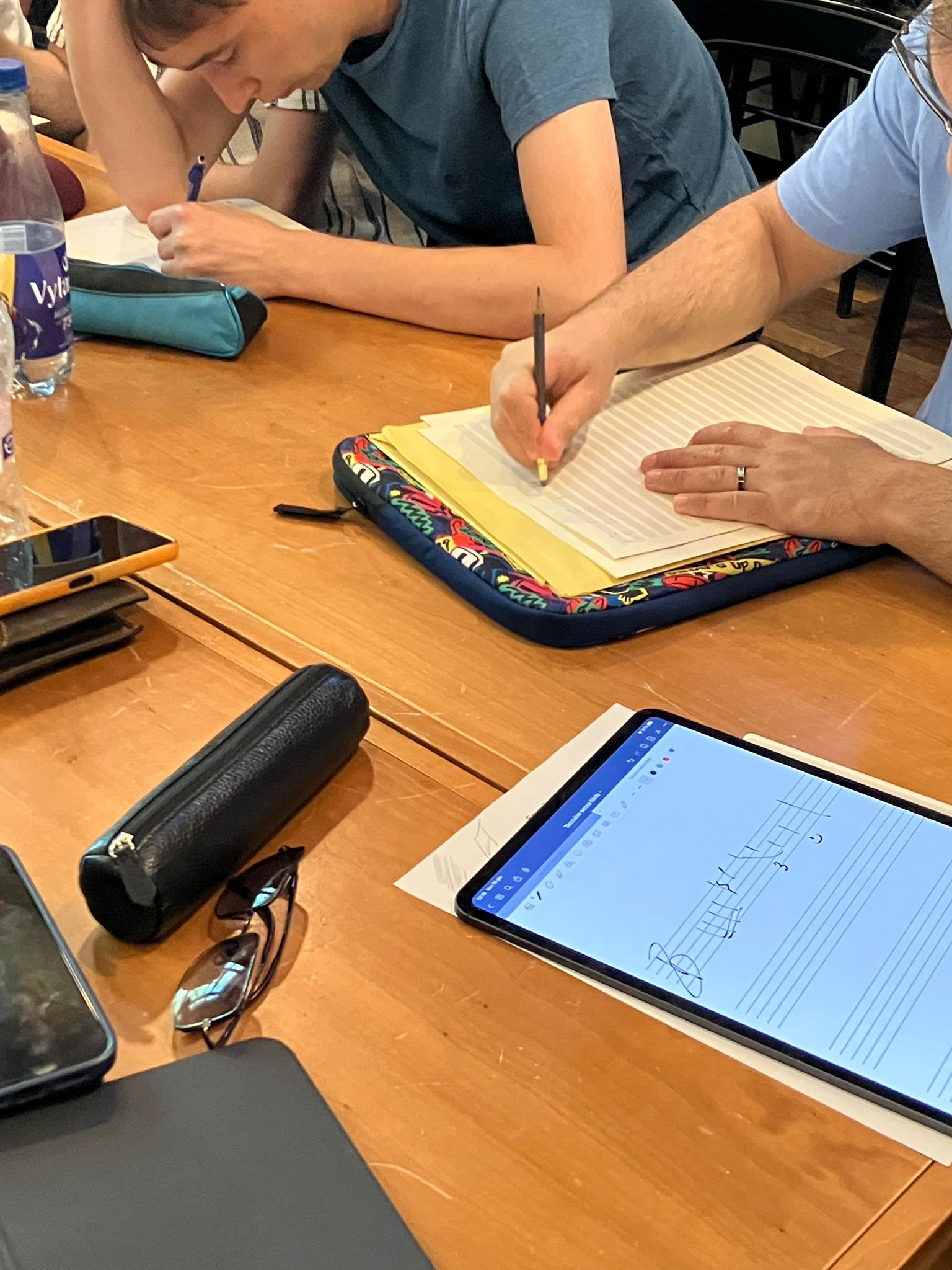
The primary objective of the Budapest residency is an intensive process of co-creation. Rather than working in isolation, the participating Italian, Spanish, and Hungarian composers engage in collaborative labs and technical workshops. This collective environment allows them to blend distinct regional styles, diverse musical training, and innovative ideas into unified, complex musical structures.
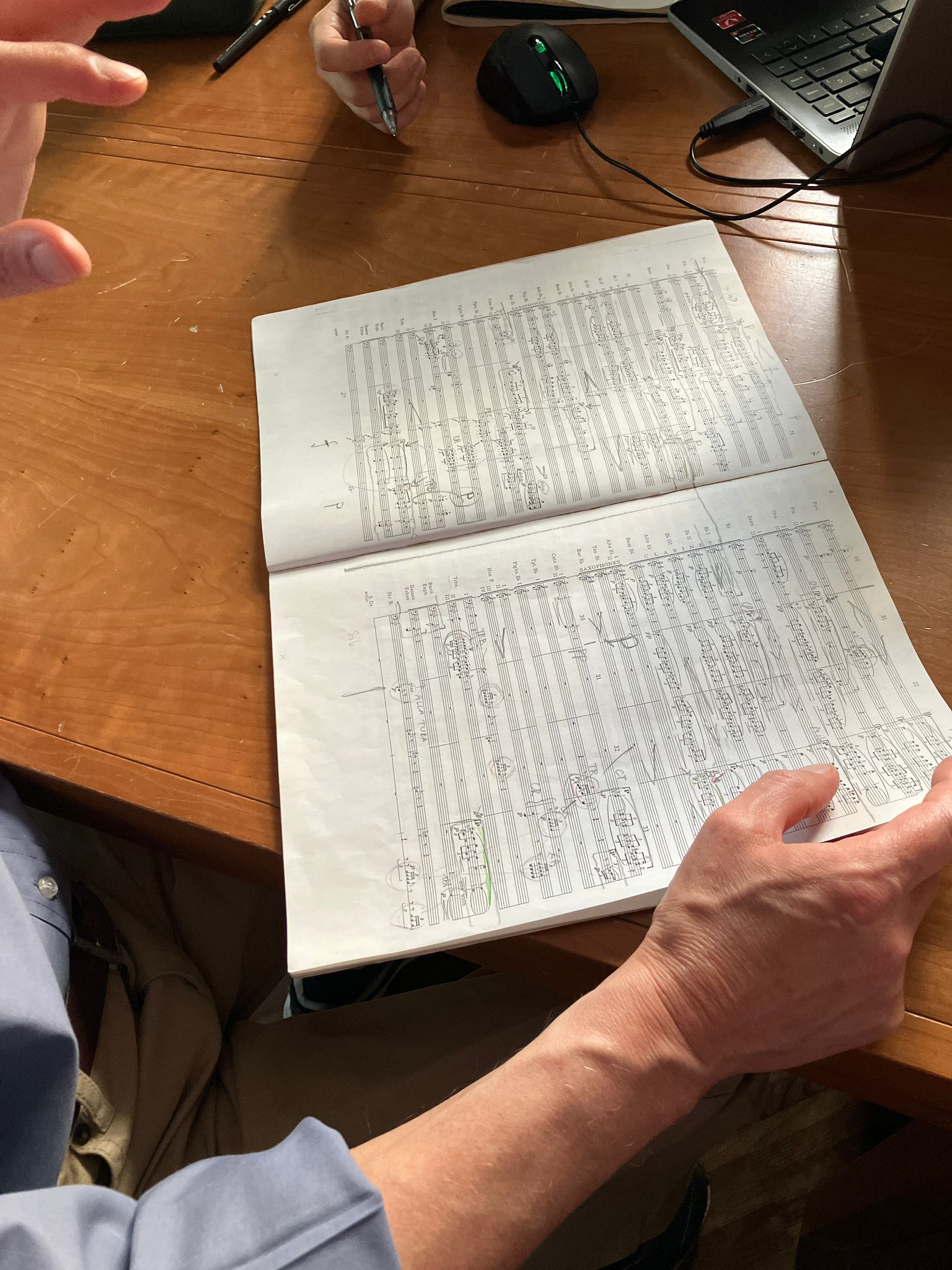
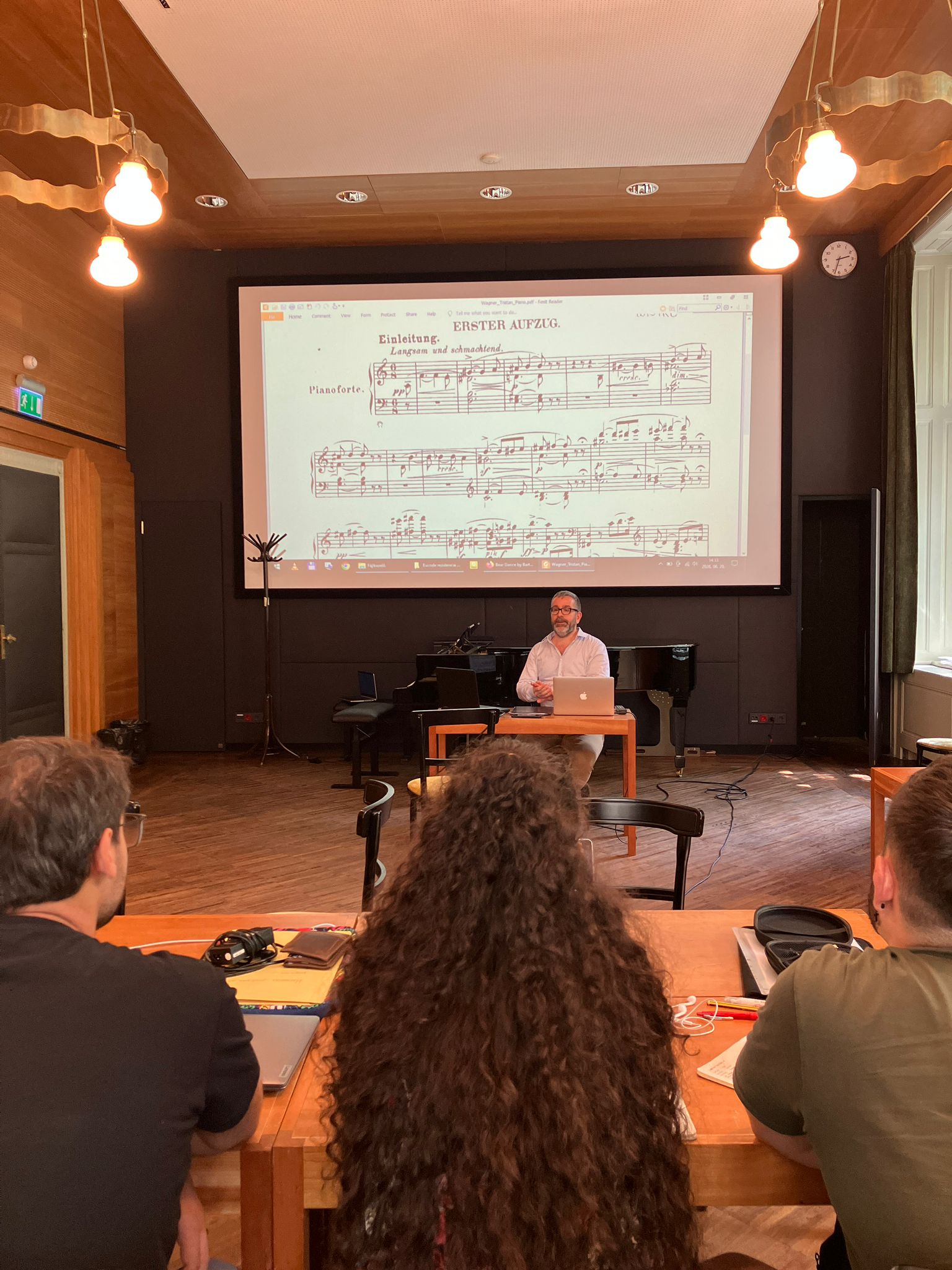
The core output of this creative synergy is the development of a brand-new, dedicated repertoire specifically written for wind orchestras. Throughout the residency, composers participate in specialized sessions led by an international panel of established music professionals:
- Gianfilippo Pocorobba and Antonio Domenico Pelizza guide fundamental composition workshops and core repertoire development.
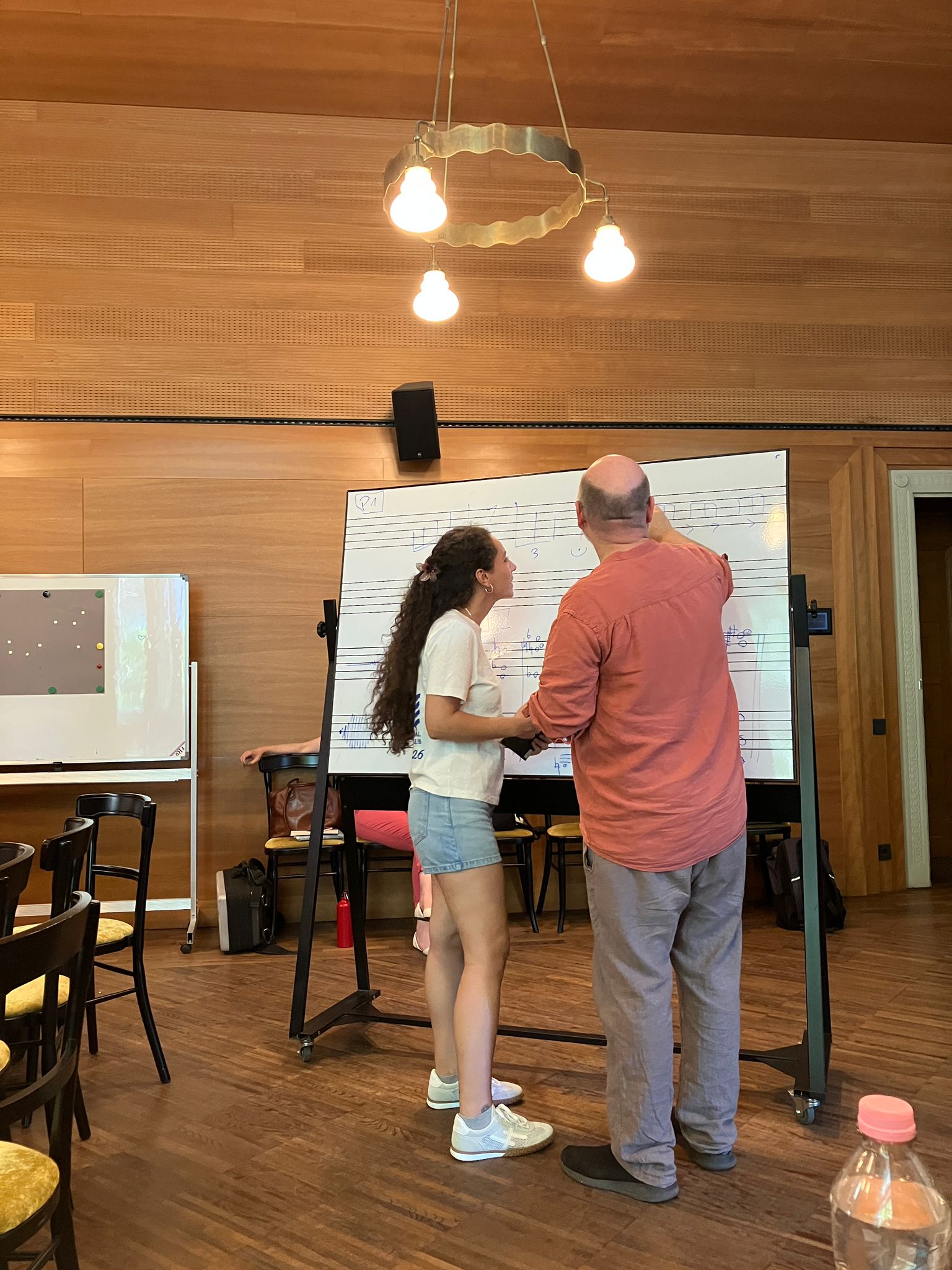
- Samu Gryllus introduces sound painting methodologies directly applied to the compositional process.
- Máté Balogh and Ákos Zarándy lead advanced contemporary seminars and structural alignment for wind instruments.
By integrating these diverse methods, the residency provides the composers with the tools and collective insight needed to build a substantial, innovative body of work.
Looking Ahead: the Budapest Festival
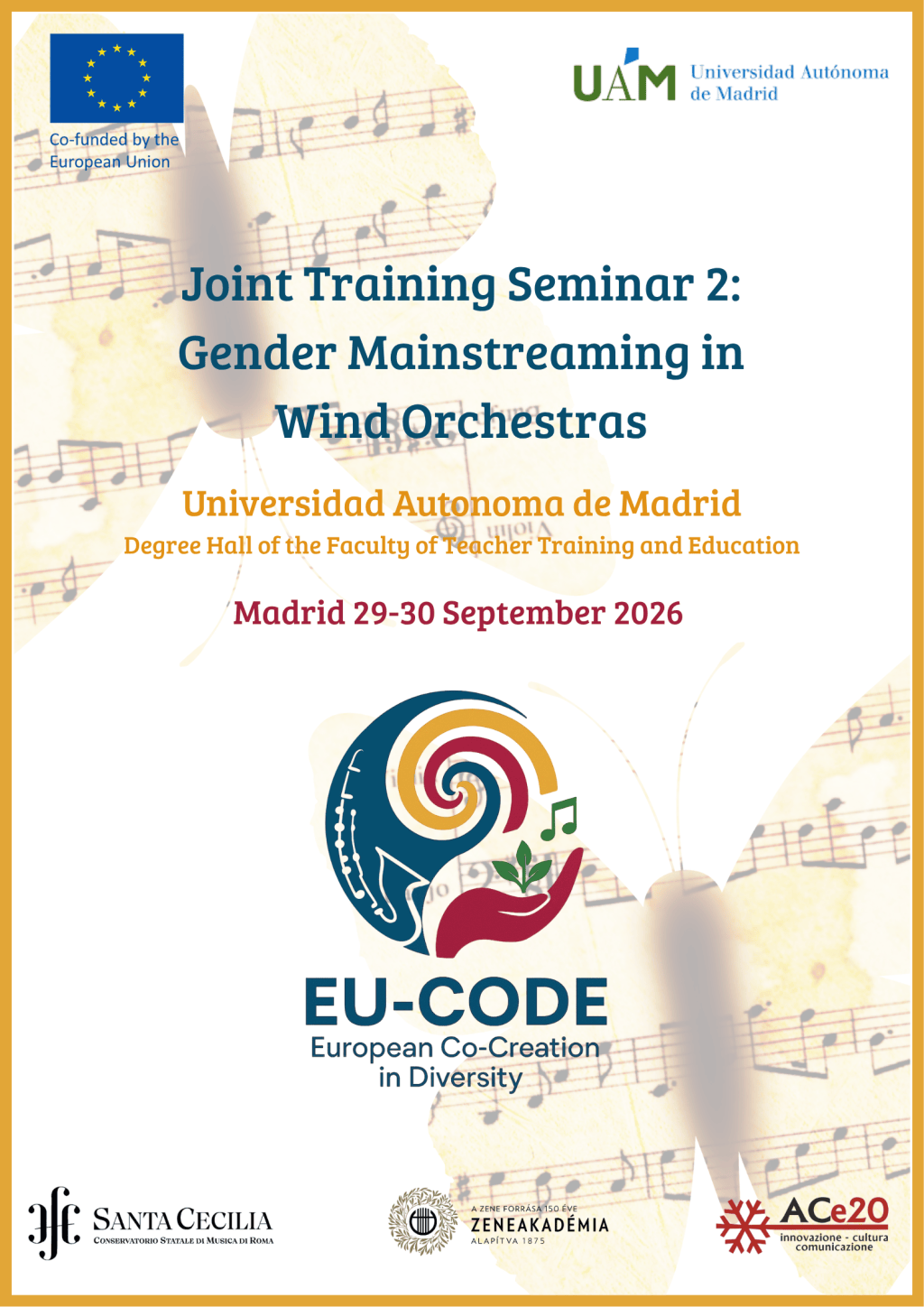
The collaborative work undertaken during the residency represents a crucial phase in the broader EU-CODE roadmap. The creative output and the scores finalized by the composers are directly tied to the upcoming milestones of the project, which include specialized seminars and a workshop in Madrid.
All of these preparatory steps converge toward the project’s major highlight: the inaugural official EU-CODE Festival, scheduled to take place in Budapest in November 2026. This festival will serve as the premier public stage for the project, where the newly co-created repertoire will be officially premiered and performed by full wind orchestras, bringing the shared vision of these European musicians to audiences and the international cultural community.


Rispondi