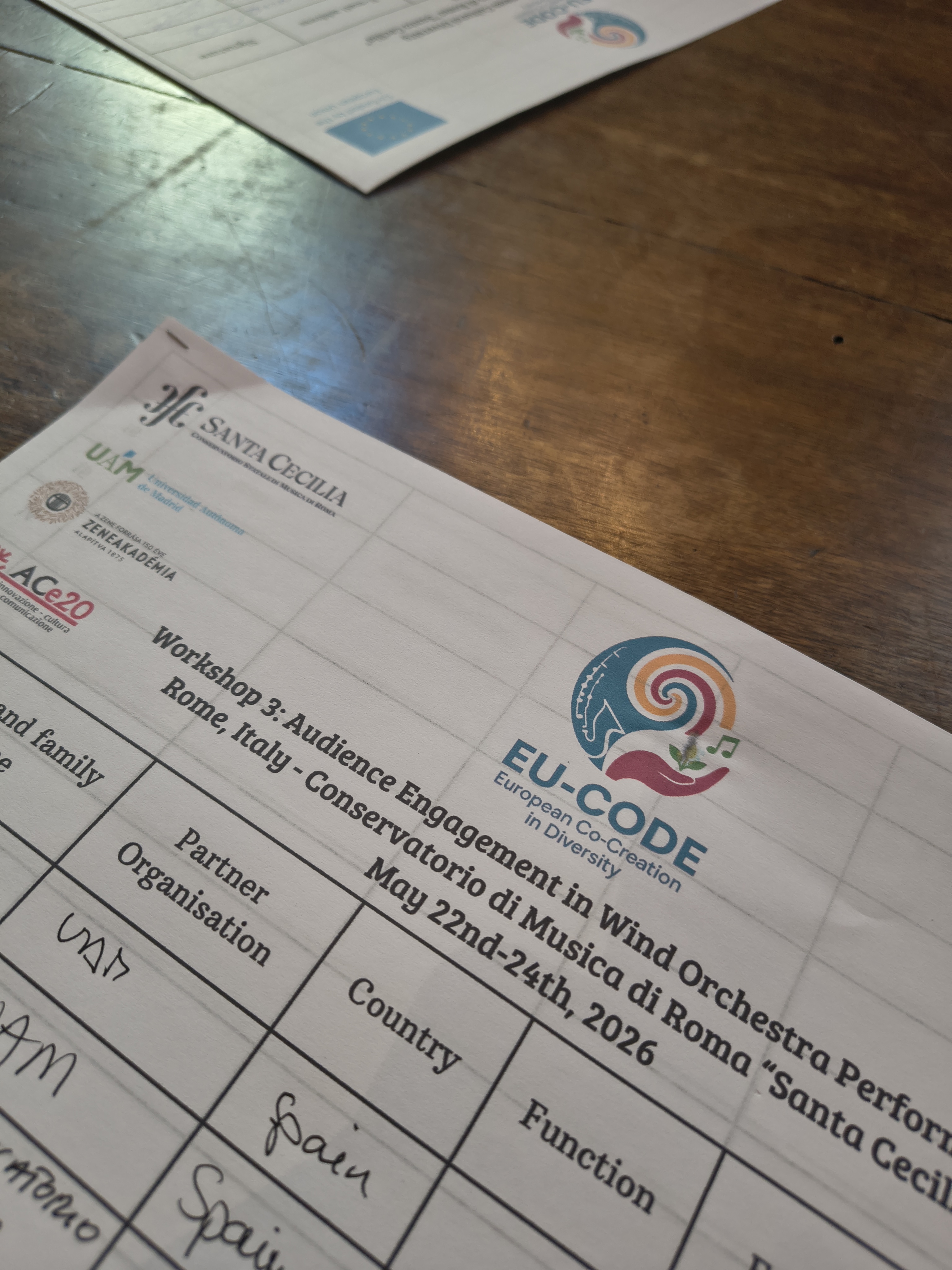
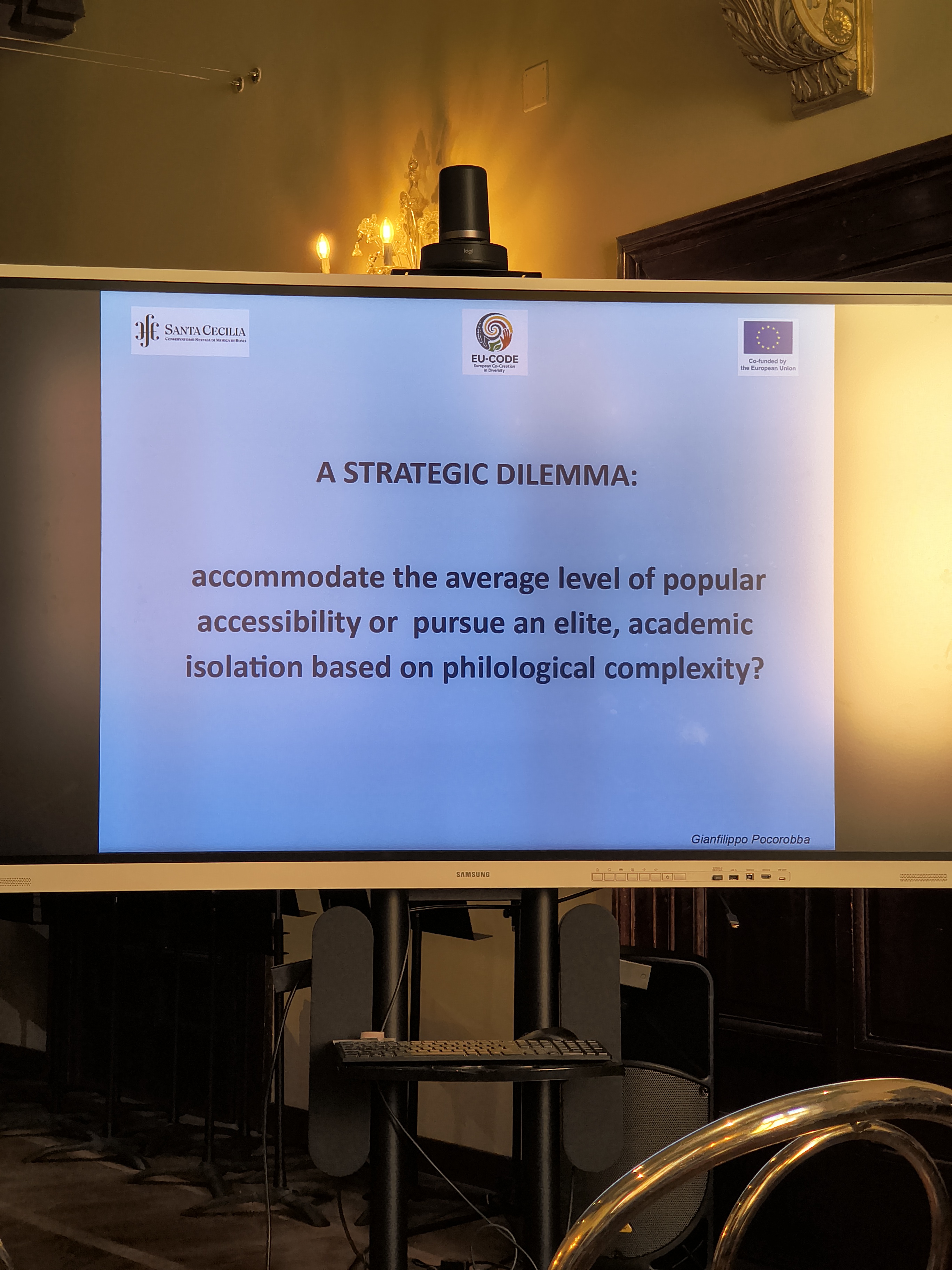
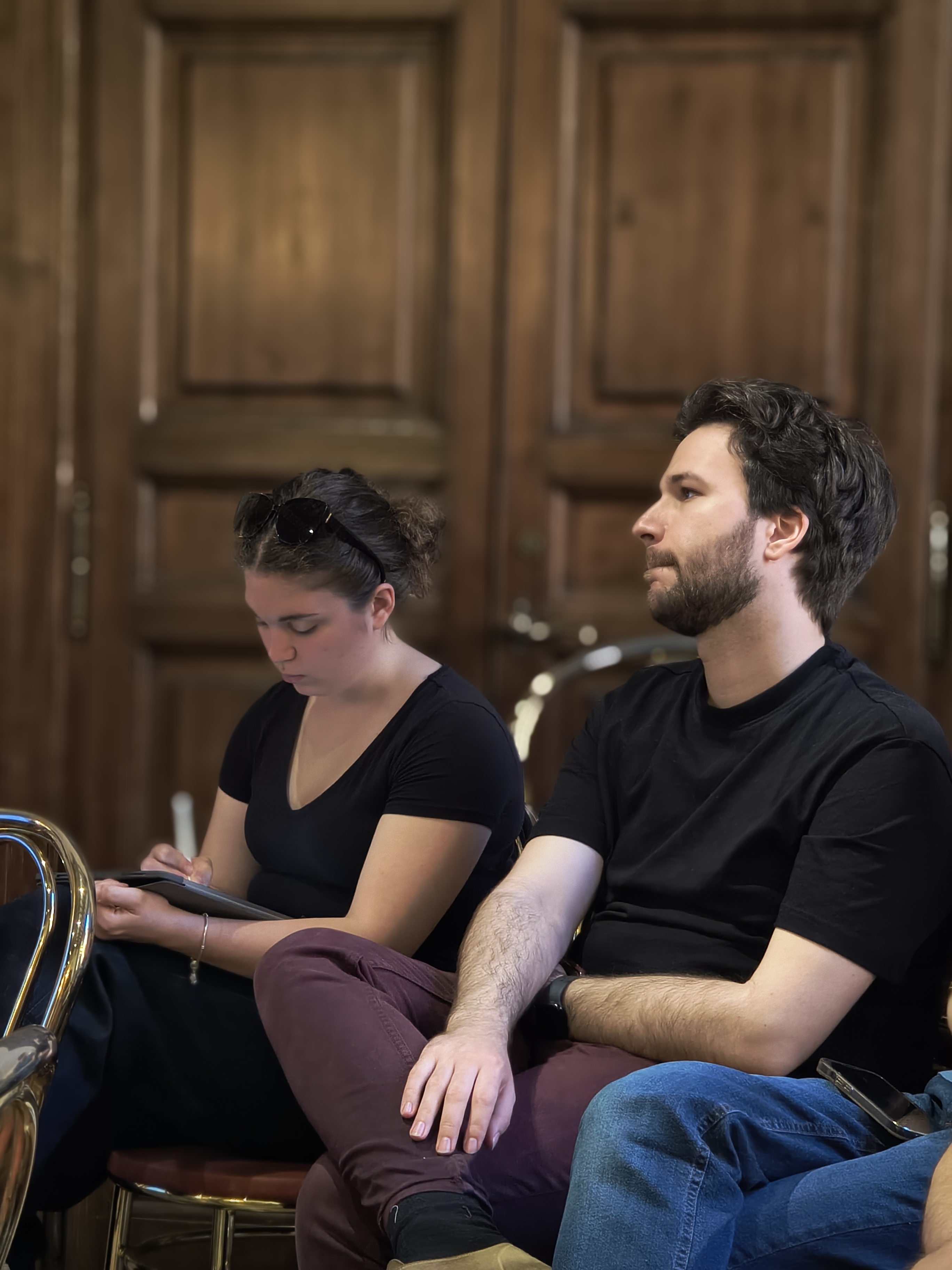
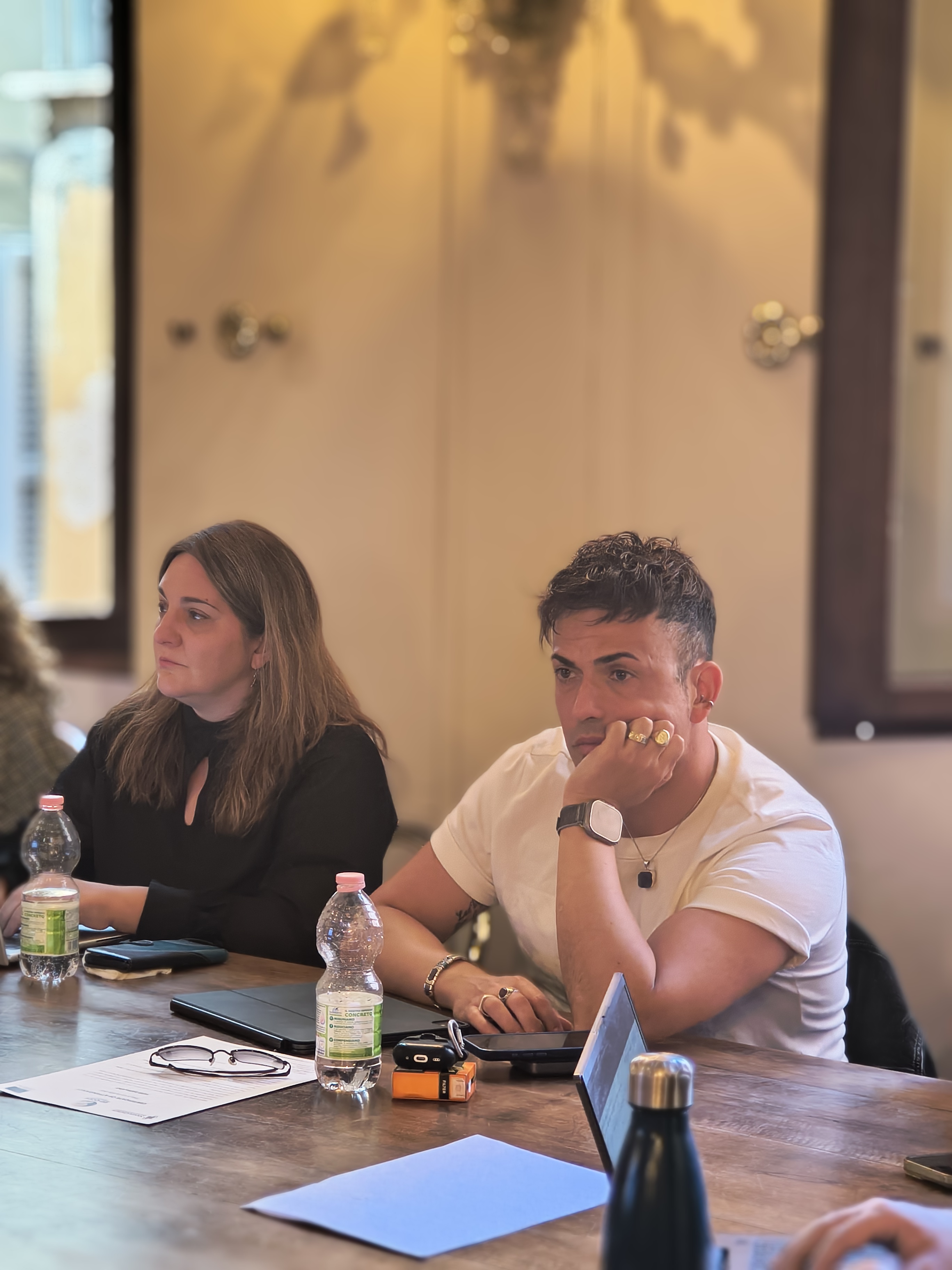
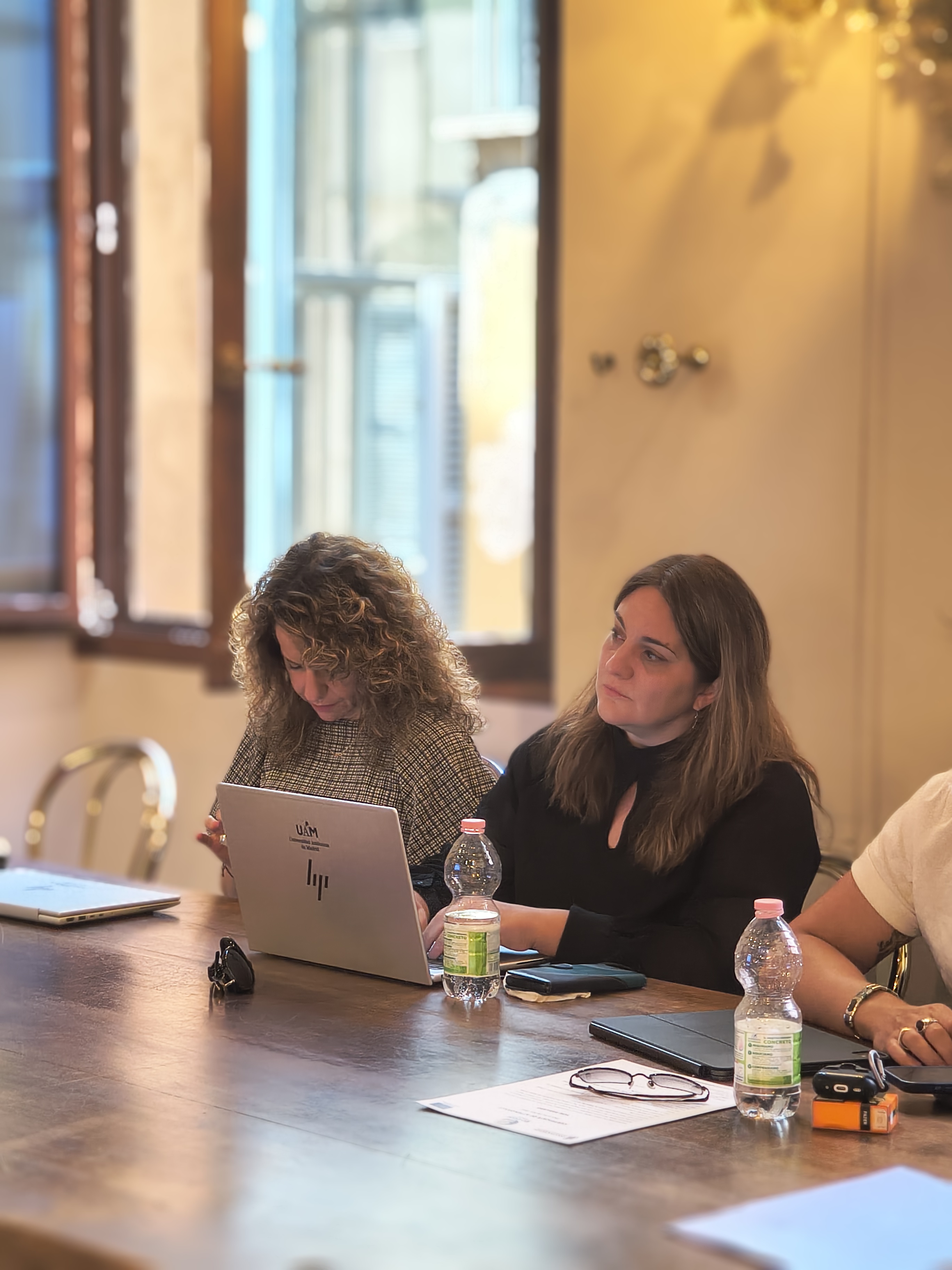
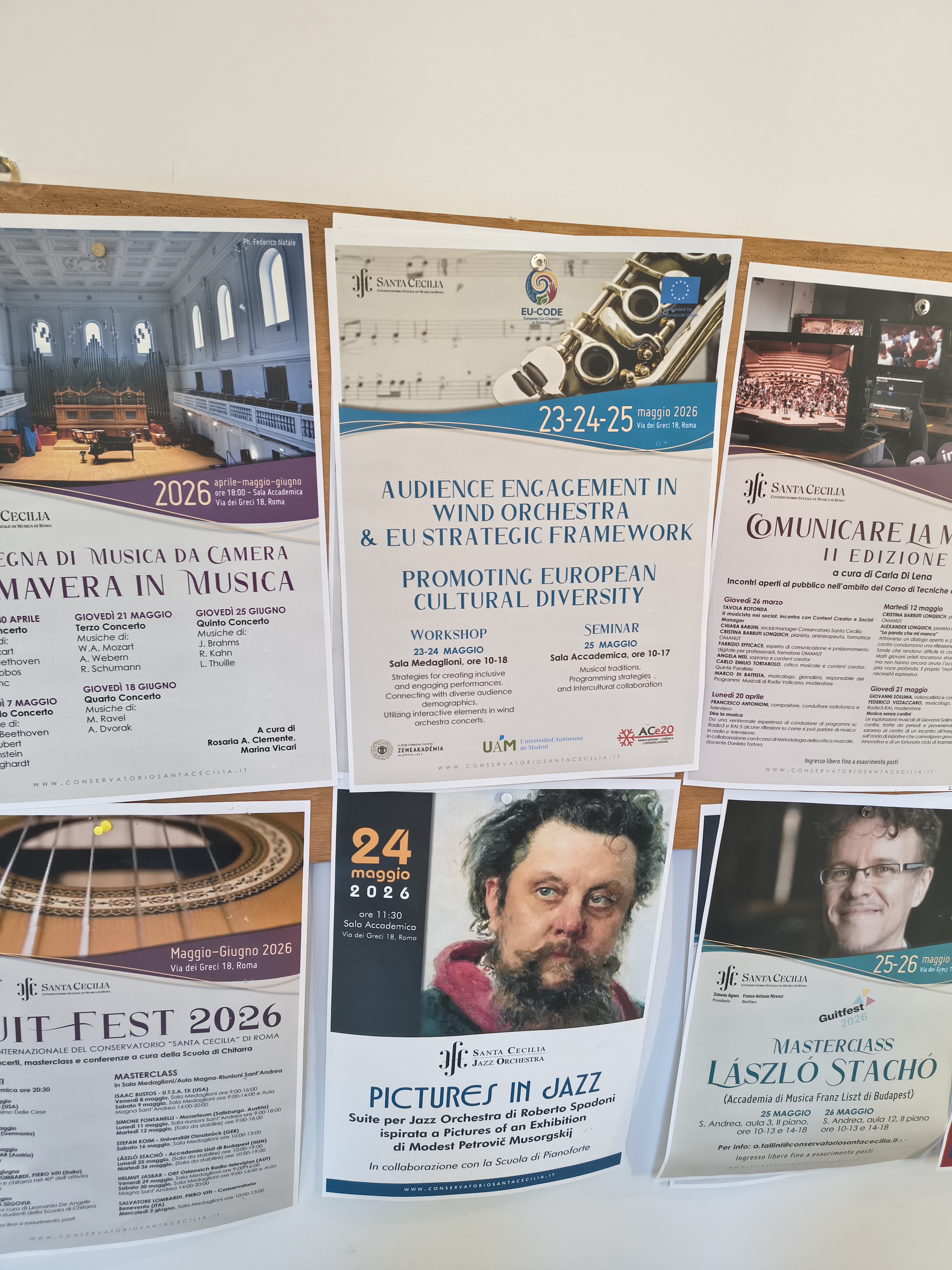
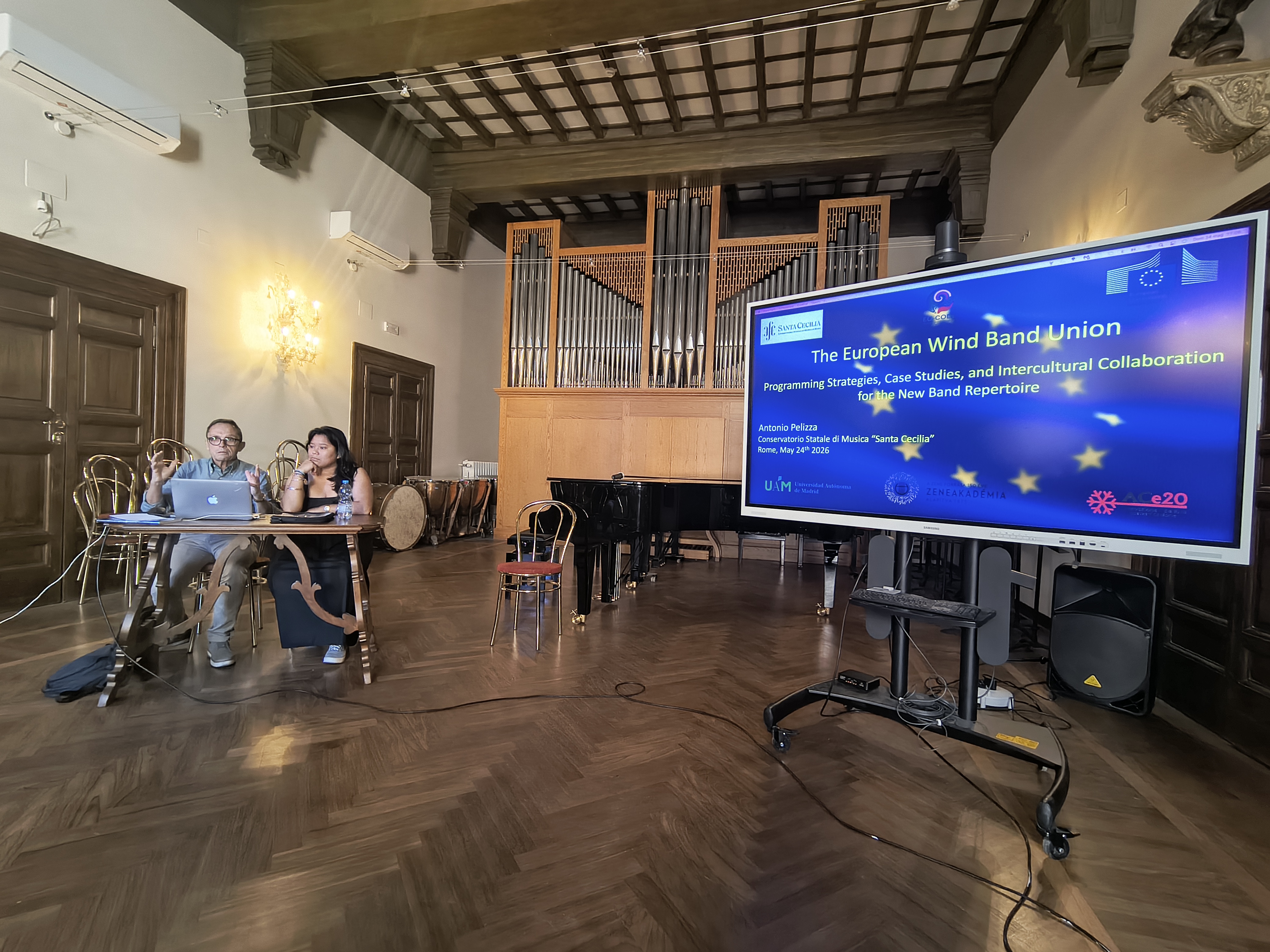
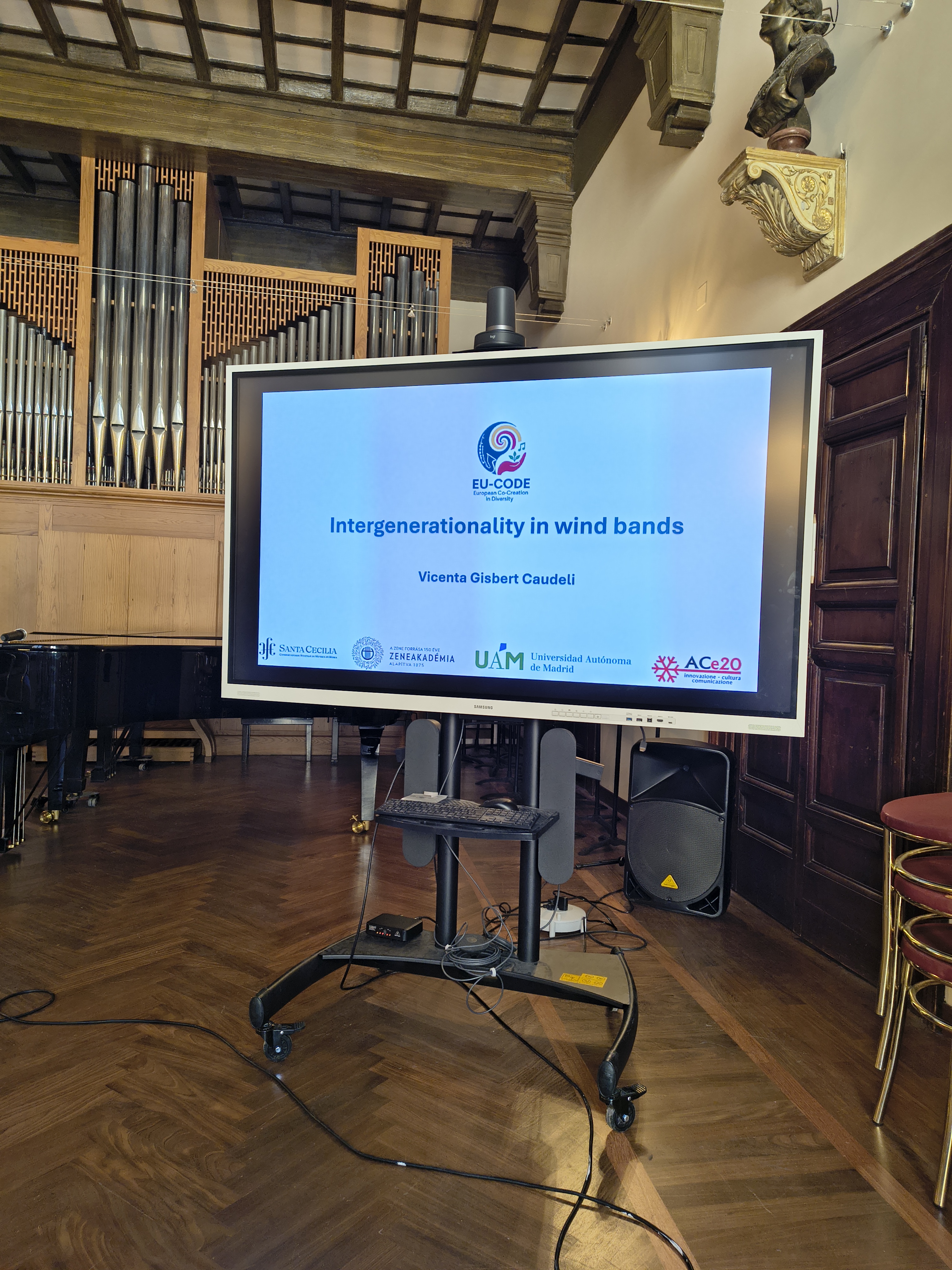
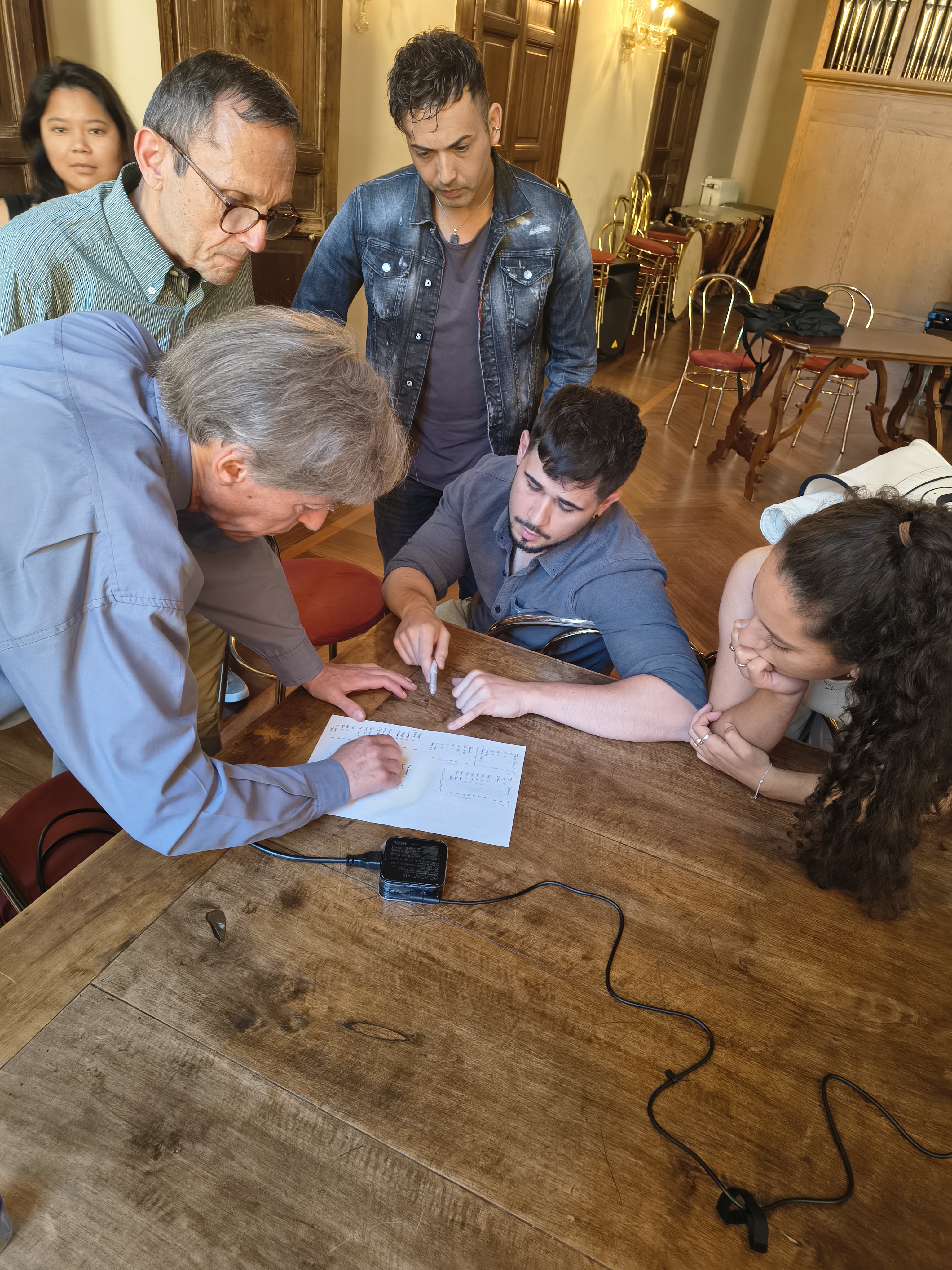
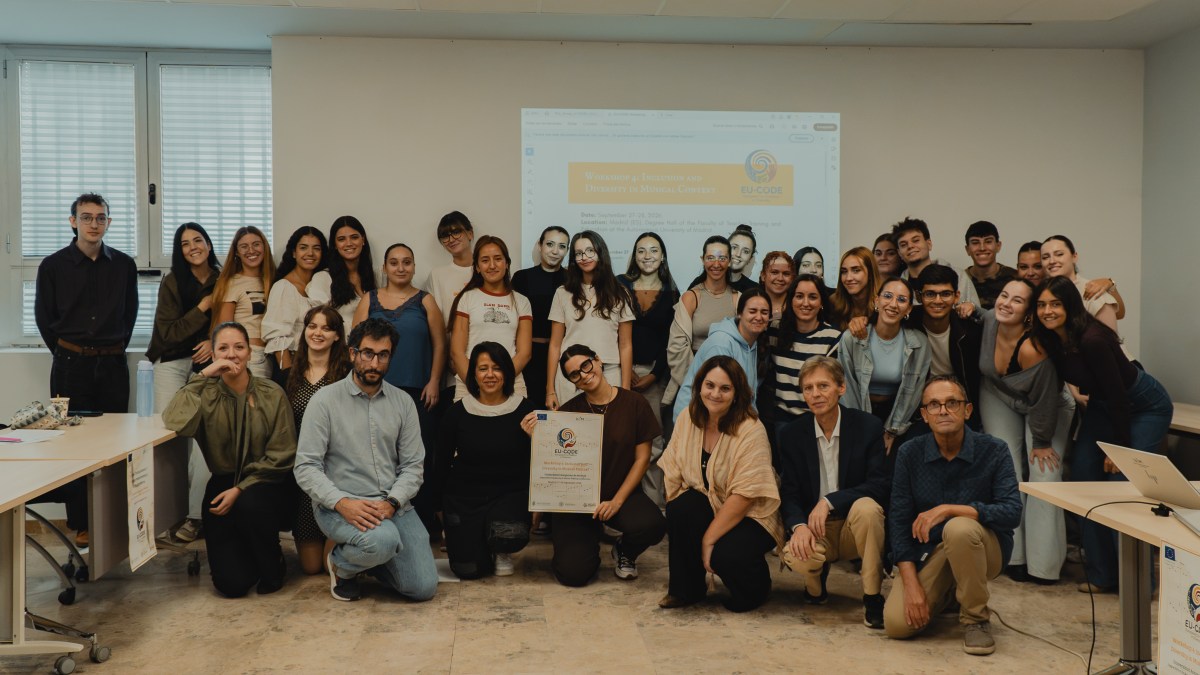
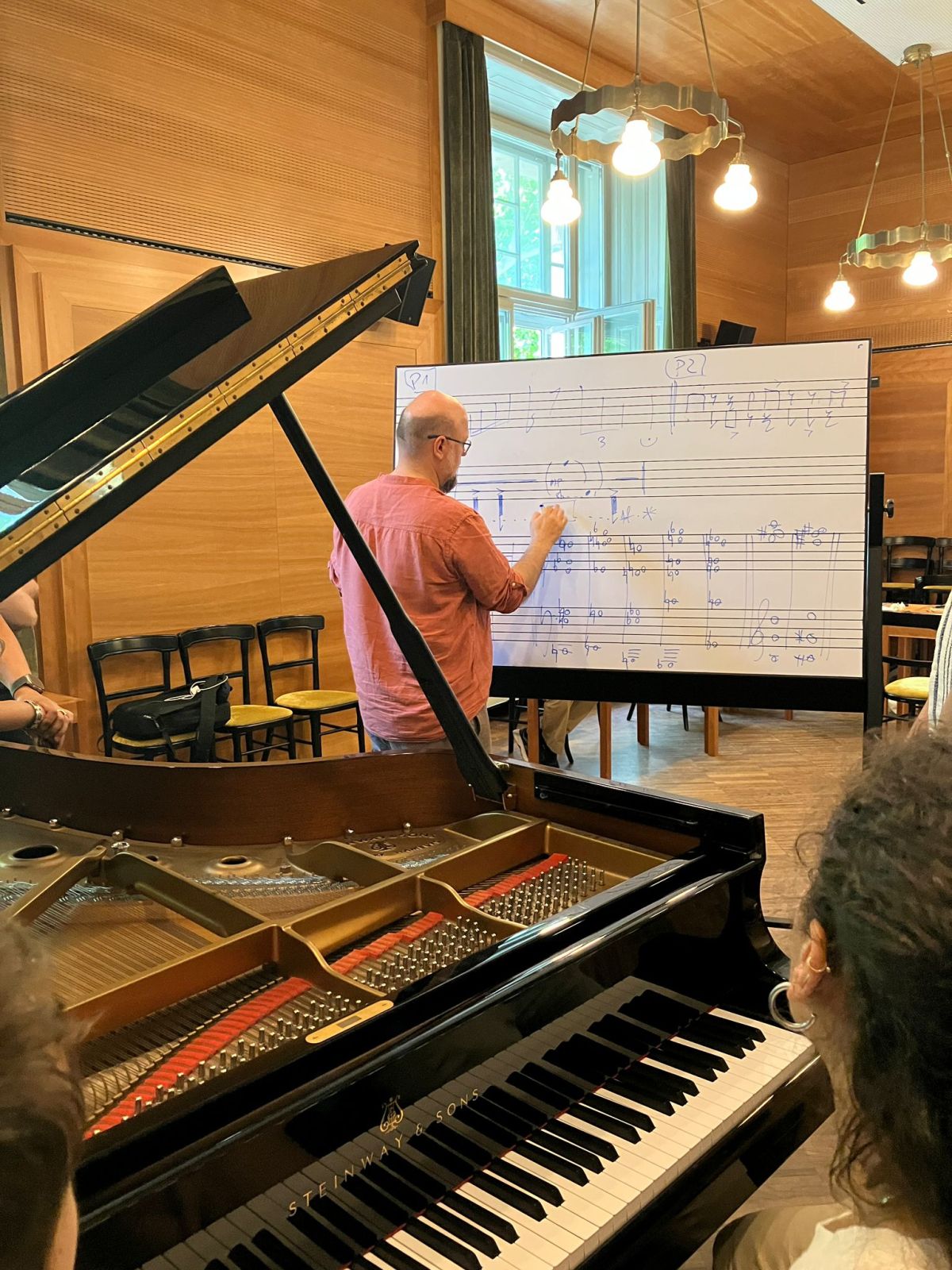
International Workshop 3: Audience Engagement in Wind Orchestra Performances
Location: Rome, Italy
Project: EU-CODE (European Co-Creation in Diversity)
About the Workshop
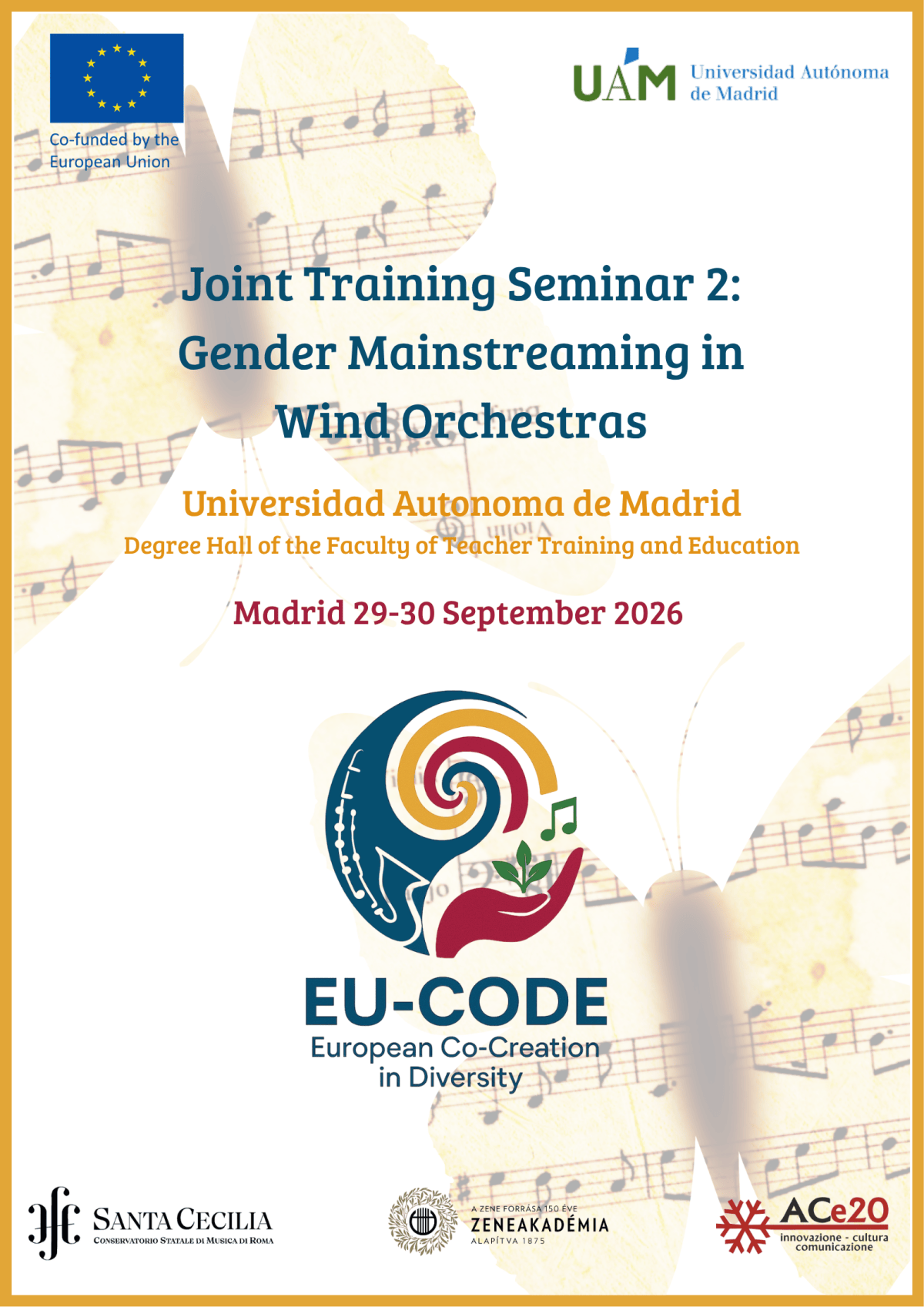
Co-funded by the Creative Europe programme of the European Union, the EU-CODE initiative brings together international institutions to reshape and revitalize the relationship between wind orchestras and contemporary audiences.
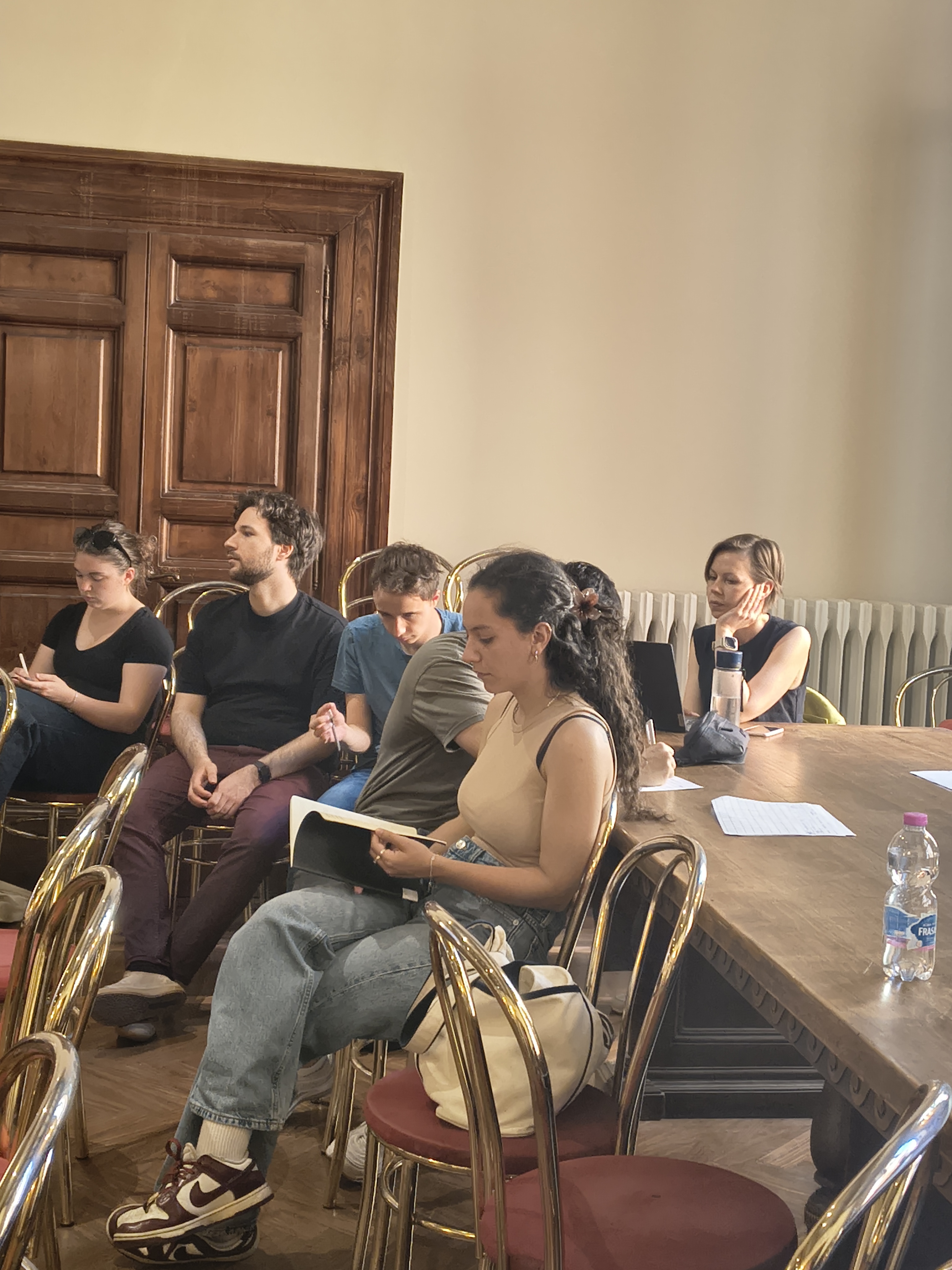
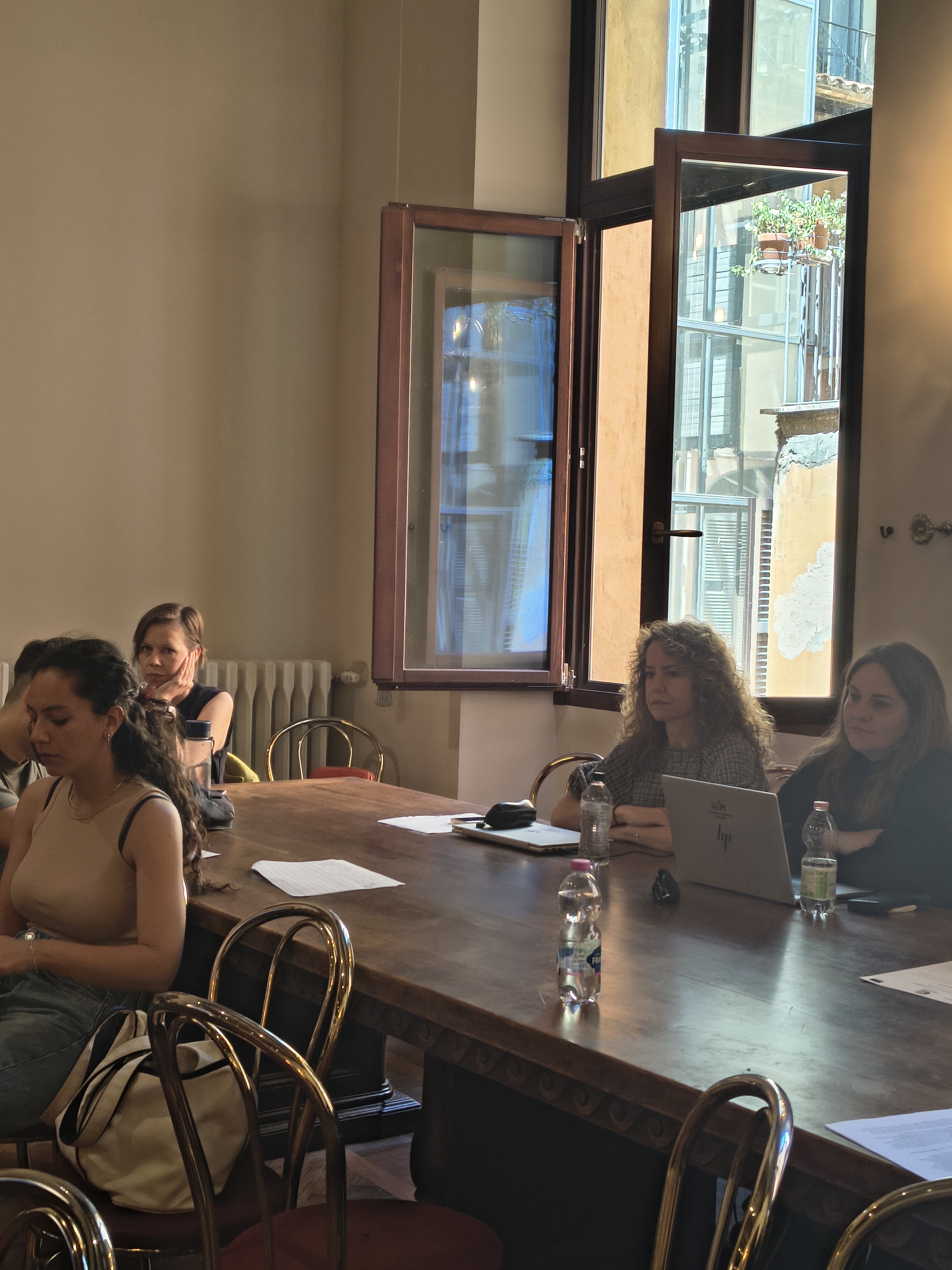
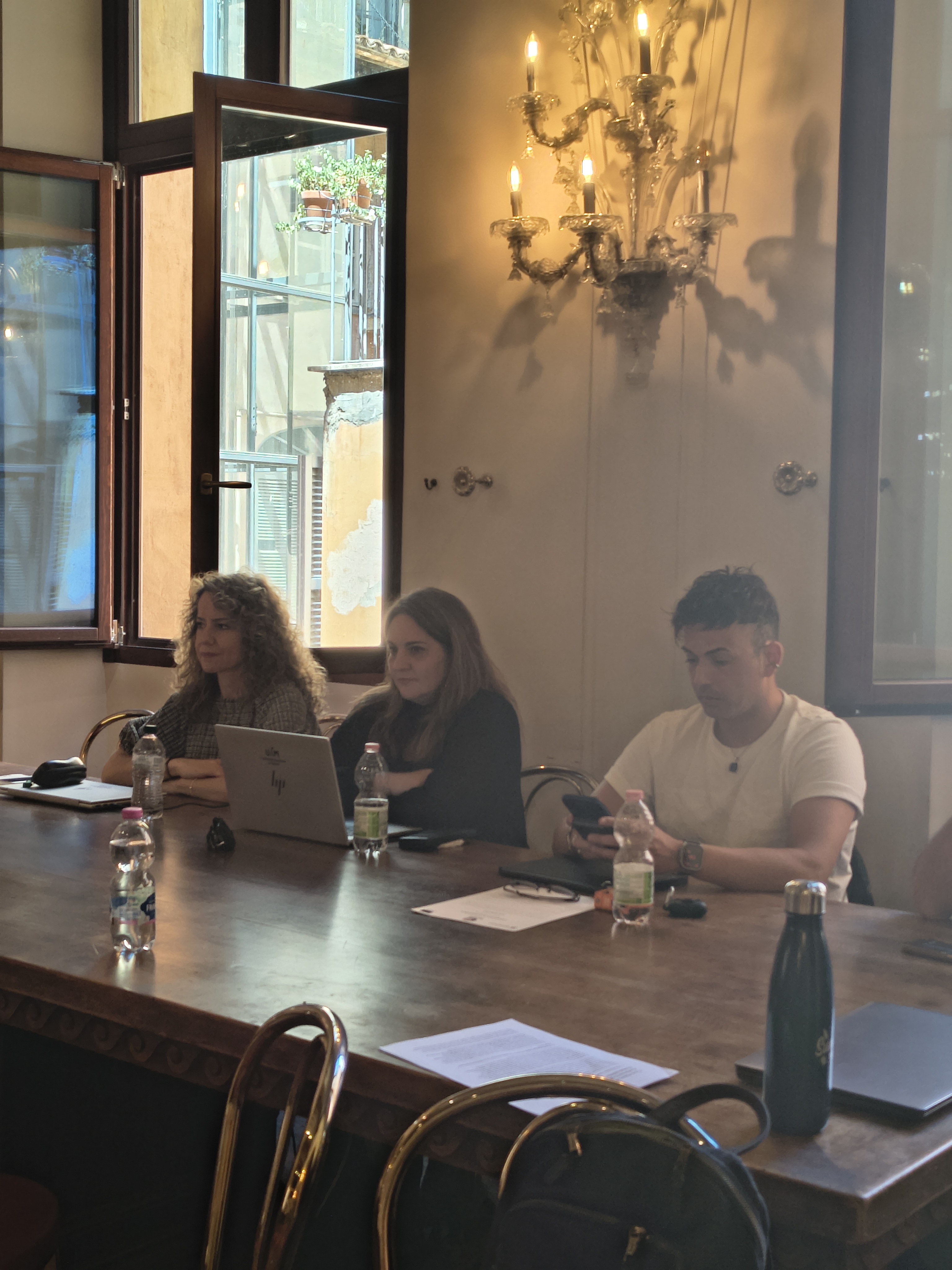
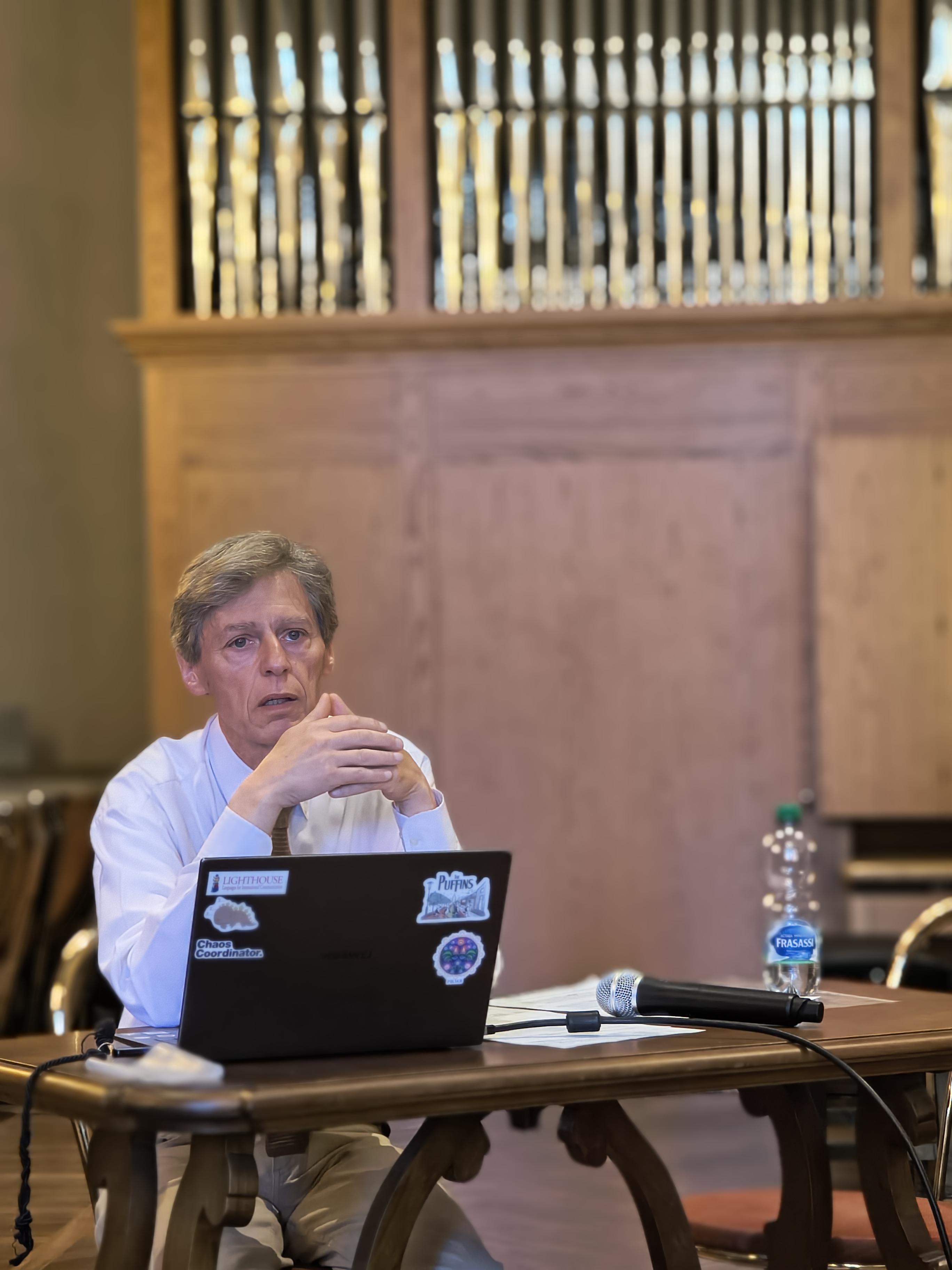
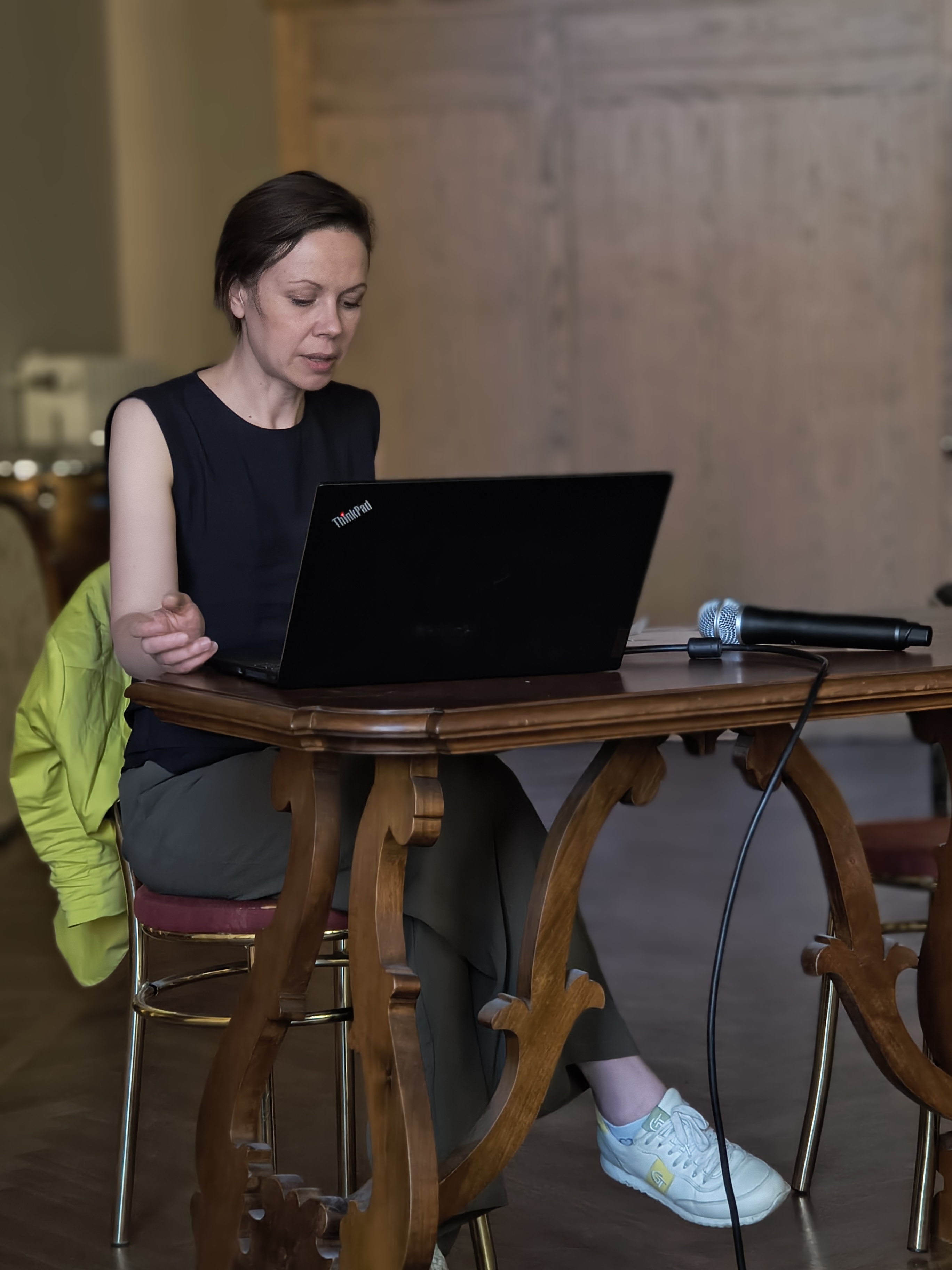
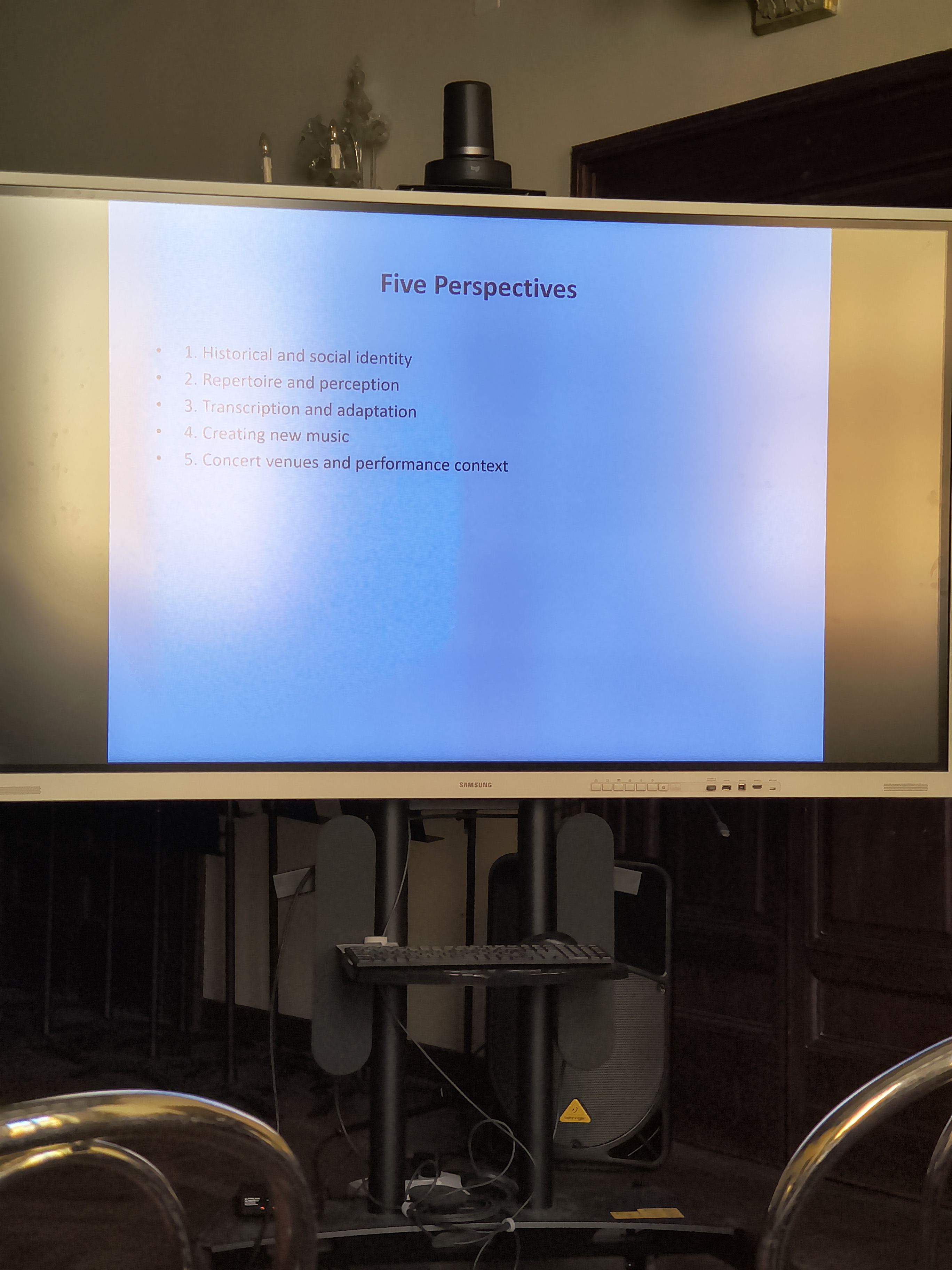
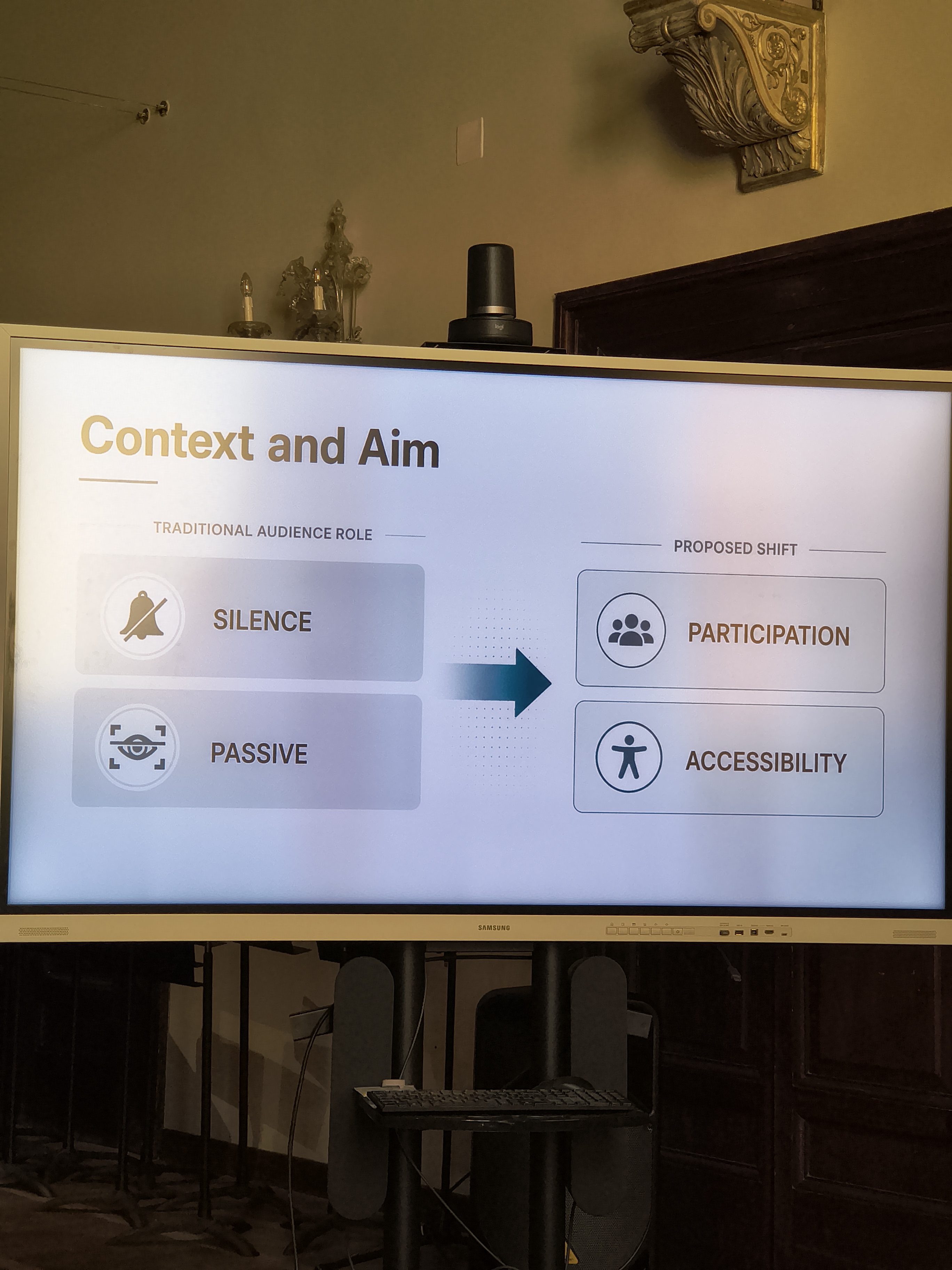
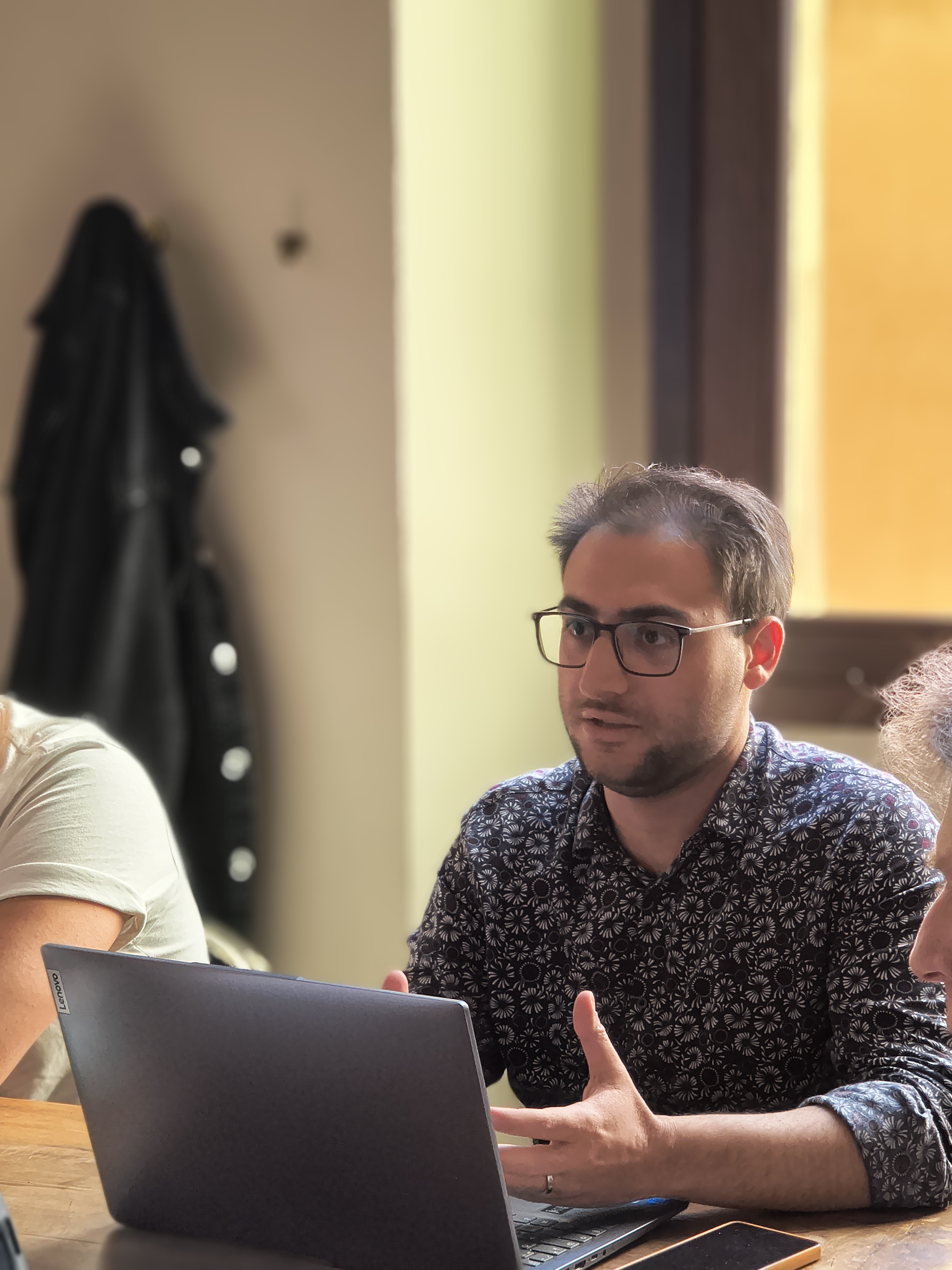
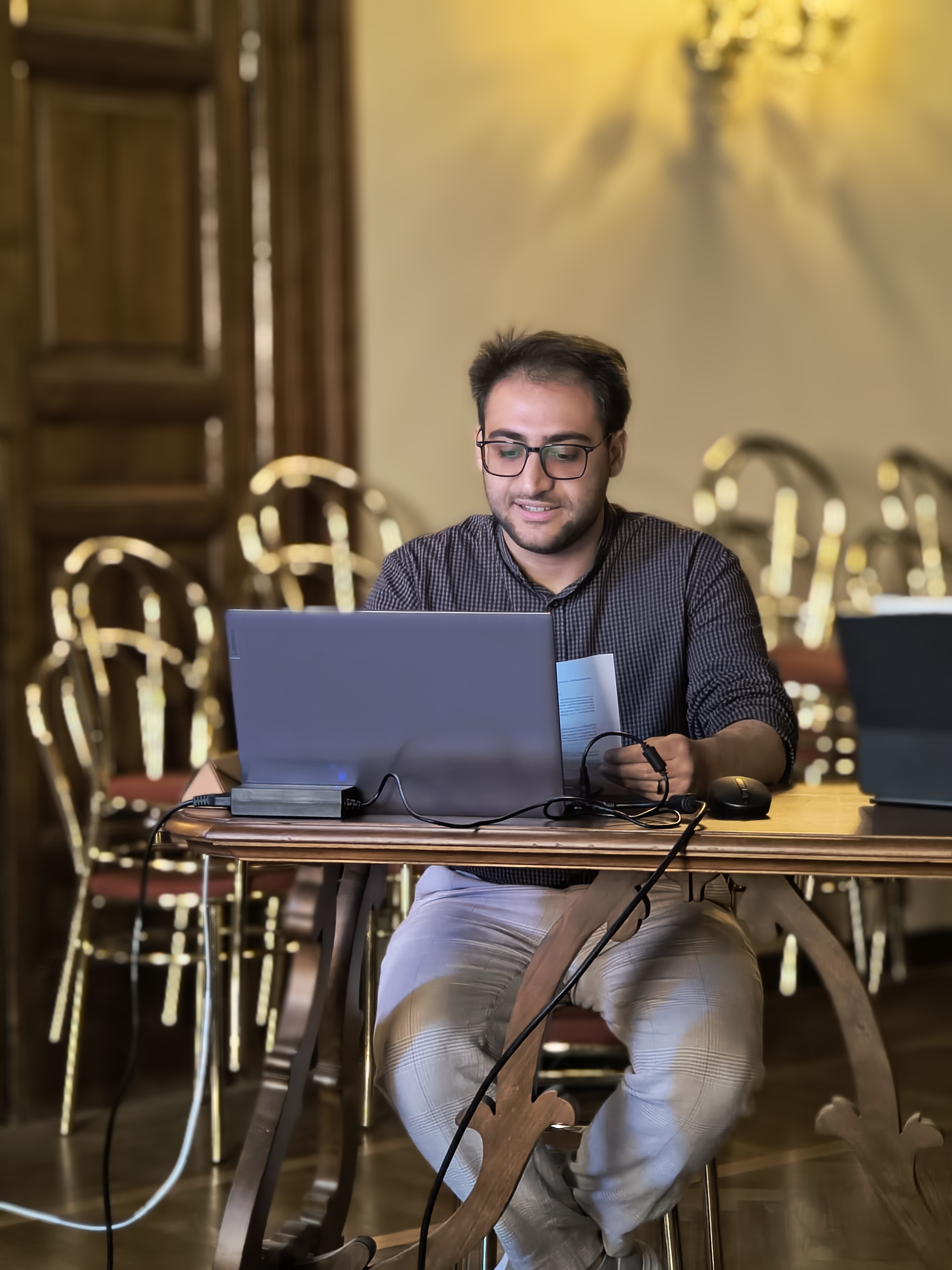
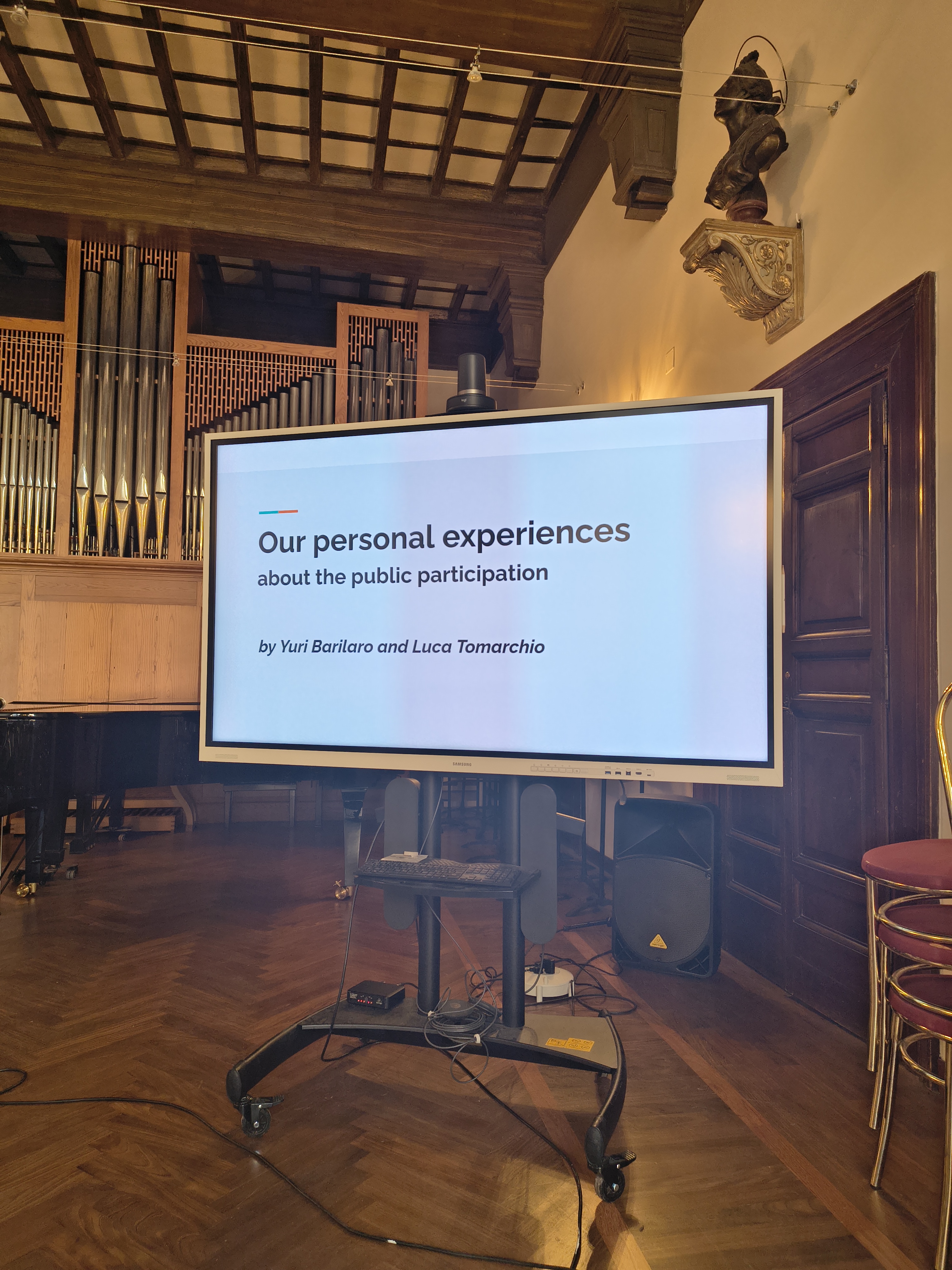
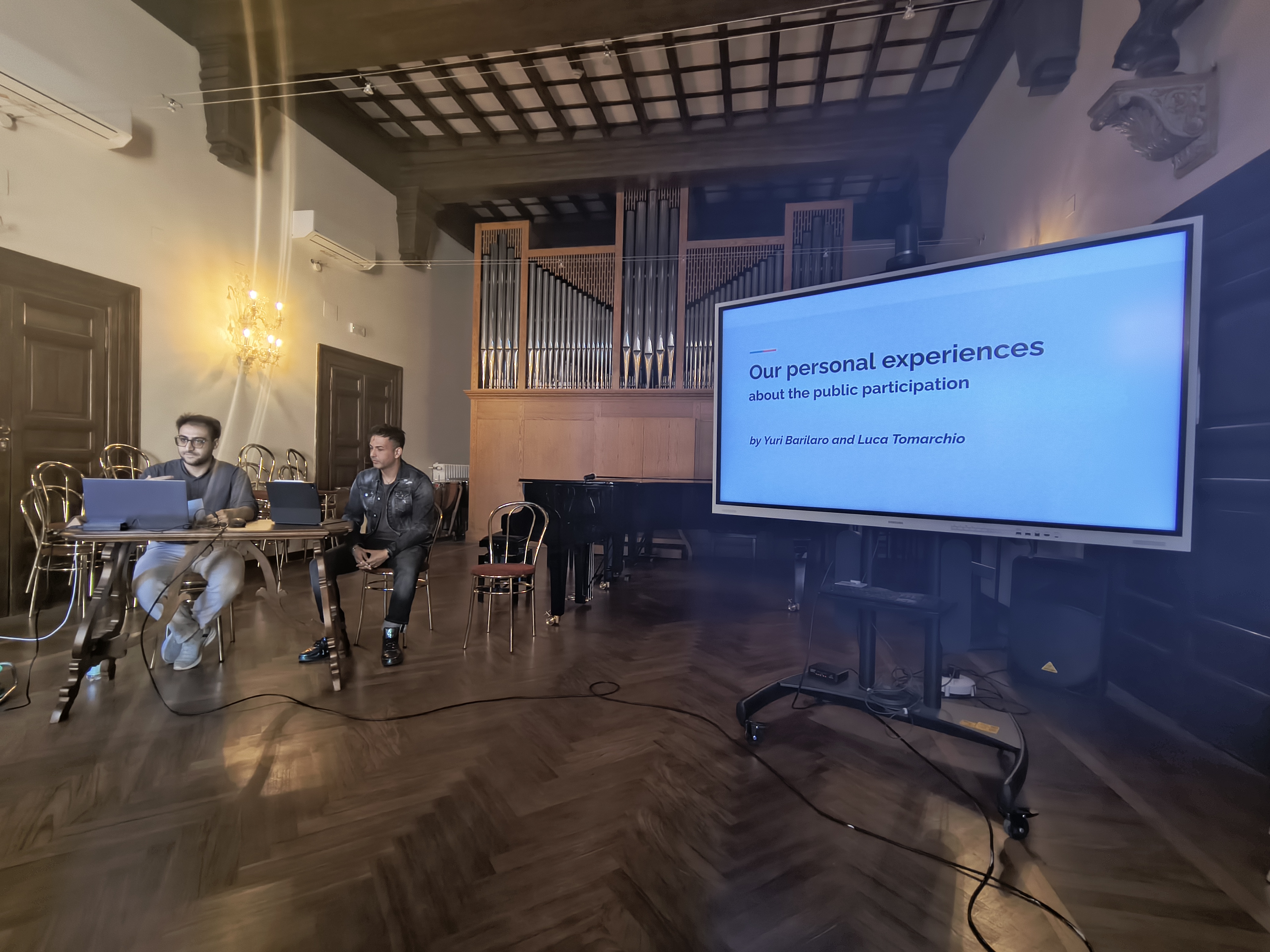
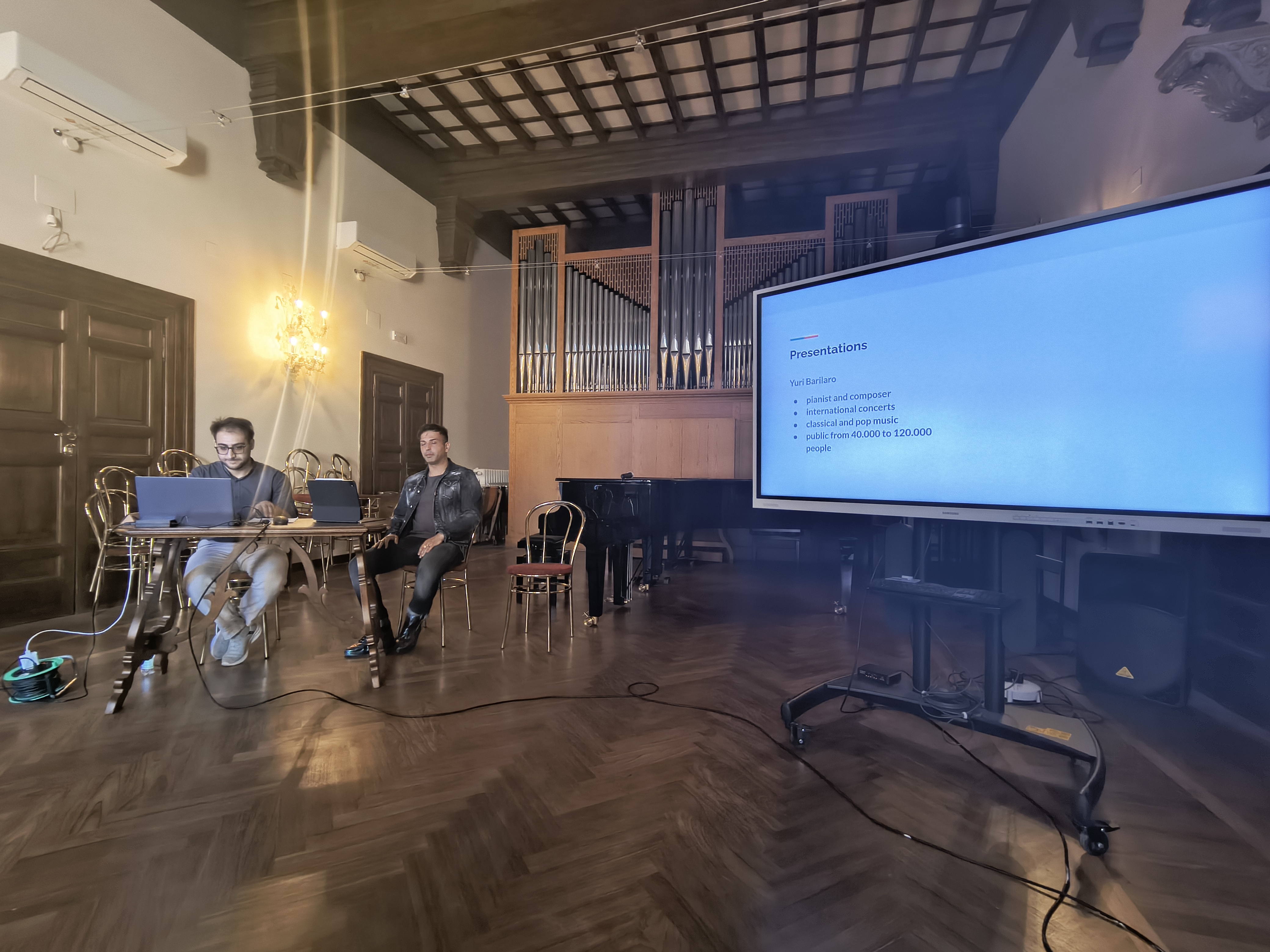
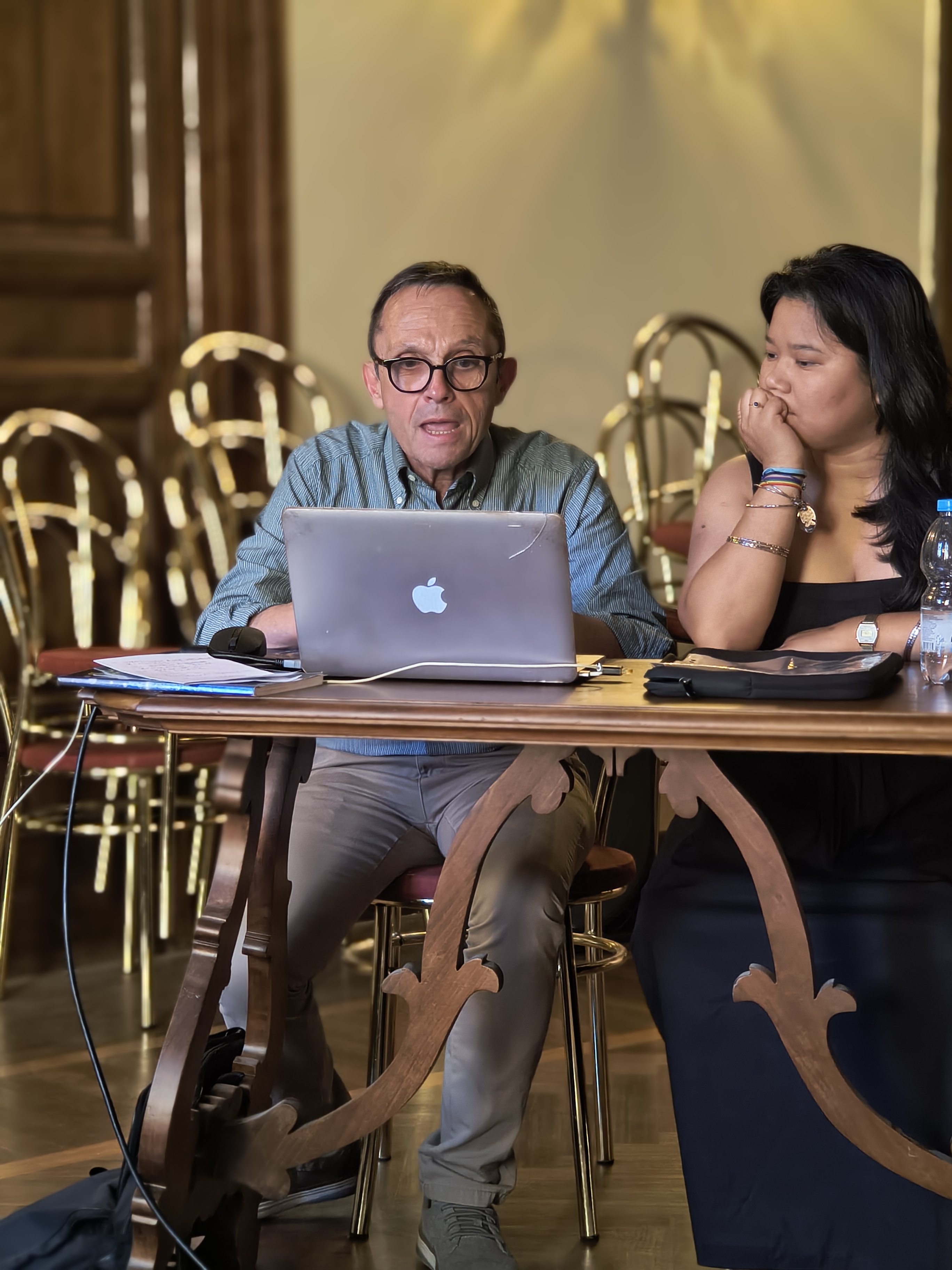
Hosted in Rome, this third international workshop functions as a roundtable focus group centred on transitioning concert audiences from passive listeners into active, engaged participants. The operational goal is to analyze, share, and establish concrete, field-testable methodologies that can empower wind orchestras across Europe to foster stronger community connections and secure long-term cultural sustainability.
Partner Contributions & Perspectives
The success of the EU-CODE project relies on the distinct, specialized expertise brought by each participating European institution, creating a balanced and collaborative transnational framework:
- Conservatorio di Musica “Santa Cecilia” (Italy): acted as the hosting institution in Rome and the overarching project Coordinator. The conservatory facilitated the operational dialogue and served as the central point of synthesis for implementing active cultural practices within the consortium.
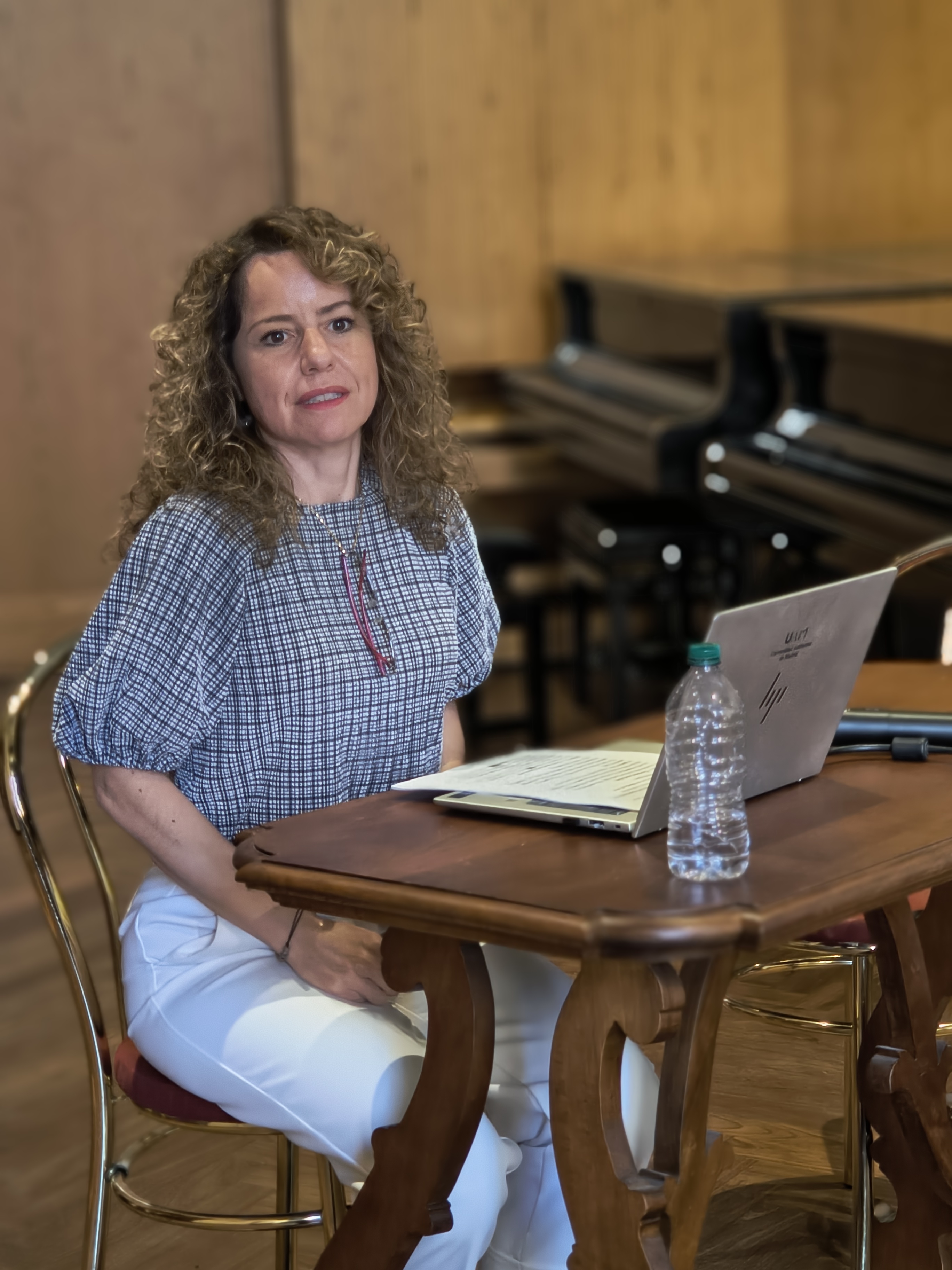
- Universidad Autónoma de Madrid (Spain): represented by its dedicated faculty and students, the Spanish delegation introduced practical and innovative methods for audience inclusion, specifically exploring body percussion as an accessible, physical tool for real-time engagement during performances.
- Franz Liszt Academy of Music (Hungary): driving the workshop’s educational framework, the Hungarian delegation contributed deep expertise in musical pedagogy and mediation to ensure that audience development strategies are rooted in sustainable artistic transmission.
- ACE20 Cultural Agency (Italy): provided strategic and systemic context through a dedicated session titled “From Passive Spectators to Active Citizens. Why Audience Engagement is Key to European Cultural Sustainability”, aligning local orchestral practices with broader European Commission guidelines.
Moving Forward
Rather than limiting findings to theoretical research, the shared methodologies derived from this focus group will be gathered to provide scalable, interactive solutions designed to revitalize the connection between wind orchestras and civil society across Europe.