ROME, ITALY — The Conservatorio di Musica “Santa Cecilia” is set to host the third international workshop of the EU-CODE (European Co-Creation in Diversity) project. The upcoming three-day roundtable focus session will gather European institutional partners to explore and establish field-testable methodologies aimed at reshaping the relationship between wind orchestras and civil society.
Co-funded by the Creative Europe programme of the European Union, the project focuses on transforming the traditional concert experience. The operational goal of this workshop is to develop scalable strategies that transition concert audiences from passive spectators into interactive participants, thereby fostering long-term cultural sustainability across Europe.
A Collaborative Transnational Framework
The upcoming initiative relies on a diverse consortium of European institutions, with each partner contributing specialised expertise to the collaborative working group:
- Conservatorio di Musica “Santa Cecilia” (Italy): in its role as the overarching project Coordinator and host institution, the Rome-based conservatory will lead the operational dialogue and manage the synthesis of the transnational working groups.
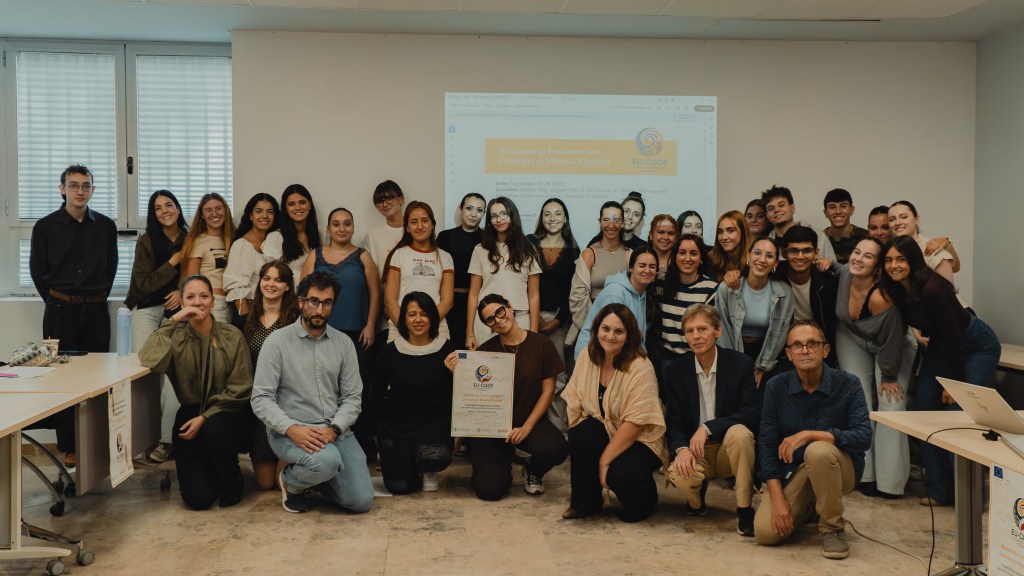
- Universidad Autónoma de Madrid (Spain): a delegation of faculty and students from the Spanish university will introduce a practical focus on body percussion. This approach will be examined as an inclusive, physical method to foster real-time public engagement during orchestral performances.
- Franz Liszt Academy of Music (Hungary): driving the educational and pedagogical framework of the sessions, the Hungarian delegation will bring expertise in musical pedagogy and mediation to ensure the strategies are rooted in sustainable artistic transmission.
- ACE20 Cultural Agency (Italy): the cultural design agency will provide the systemic and strategic context for the initiative. The agency is scheduled to present a dedicated session titled “From Passive Spectators to Active Citizens. Why Audience Engagement is Key to European Cultural Sustainability”, aligning practical orchestral methodologies with the broader strategic directives of the European Commission.
Towards Practical Implementation
Organisers emphasise that the focus of the meeting will remain strictly on practical application rather than purely theoretical research. The methodologies analysed and established during the focus group are intended to provide wind orchestras across the continent with the practical tools necessary to revitalise their connection with contemporary audiences.


Rispondi